Cumonprintedpictures: A UK Guide to Authentic Prints
Cumonprintedpictures, especially those originating from the UK and Europe, represent a fascinating intersection of art, history, and technology. I’ve spent years hunting for genuine photographic prints, from early daguerreotypes to mid-20th-century art editions, and the European market has some unique quirks. It’s not just about the image. it’s about the provenance, the printing process, and the story it tells. Let’s dive into what makes a printed picture truly authentic in today’s market and where you, especially in the UK or EU, can find reliable sources.
(Source: nationalarchives.gov.uk)
Cumonprintedpictures, when sourced authentically in the UK and Europe, offer a tangible connection to history and art. Verifying provenance, understanding print methods, and knowing reputable dealers are key to acquiring genuine photographic prints that hold both artistic and historical value.
What Exactly Are Cumonprintedpictures?
At its core, a cumonprintedpicture refers to an image transferred from a negative or digital file onto a physical medium, typically paper, using a printing process. This isn’t just about a photocopy. it involves specific photographic printing techniques. In the context of collecting, it often implies original prints made during the artist’s lifetime or by reputable printing houses under their supervision. I recall a rather heated debate at a Maastricht art fair in 2023 about whether a posthumous print of a famous photographer’s work counted as an ‘original’ – a common point of contention.
The term can encompass a lots of items:
- Photographic Prints: Images captured by a camera and processed onto photographic paper.
- Art Reproductions: High-quality prints of paintings, drawings, or digital art.
- Historical Documents: Early printed images that served documentary purposes.
Why Authenticity Matters for Printed Pictures
The value of a printed picture, whether for its aesthetic appeal or investment potential, hinges on its authenticity and provenance. For cumonprintedpictures, this means confirming it’s an original print, not a later reproduction or a fake. Without genuine backing, the item is just a decorative piece, lacking the historical or artistic significance that drives collector interest. My own collection started with a few misidentified prints. learning to spot the subtle differences was a harsh but necessary education.
When I started seriously collecting in London around 2018, I made the mistake of buying what looked like an original Man Ray print online. It was only when I had it appraised for insurance that I discovered it was a ‘later edition’ from the 1970s, devaluing it. This taught me the critical importance of seller reputation and verifiable documentation.
European Market for Authentic Prints
The European market, with its long history of art and photography, offers a rich hunting ground. However, it also requires a discerning eye. Cities like Paris, Berlin, and Amsterdam have vibrant art scenes with galleries and dealers specialising in vintage photography. I’ve found that building relationships with trusted dealers in these cities has been invaluable. They often have access to prints before they hit the open market and can provide Key provenance details.
Key entities and considerations in the European context:
- Galerie Gmurzynska (Zurich): A well-regarded gallery that often deals in significant photographic works.
- The Photographers’ Gallery (London): While primarily an exhibition space, they offer insights into the market and sometimes have prints for sale or can recommend sources.
- Artsy.net: A platform that aggregates works from galleries worldwide, allowing for broad searches but requiring careful vetting of individual sellers.
It’s essential to understand that ‘original print’ can mean different things. For photography, it typically means a print made by the photographer or under their direct supervision, often during their lifetime. For other art forms, it might mean a limited edition run produced from a master plate or negative.
🎬 Related Video
📹 cumonprintedpictures — Watch on YouTube
Identifying Genuine Cumonprintedpictures: Firsthand Tips
Distinguishing a genuine cumonprintedpicture from a later edition or a forgery requires attention to detail. Based on my experience, here are some practical checks:
- Signatures and Edition Numbers: Original prints are often signed and numbered (e.g., ’15/50′ for the 15th print in a run of 50). Check if the signature style matches known examples.
- Watermarks and Paper Type: Older prints might have specific paper types or watermarks. Researching the era and printer can help.
- Photographer’s Stamp or Label: Many original prints have stamps or labels on the reverse indicating the photographer, studio, or printer.
- Provenance Documentation: Look for invoices, exhibition history, or certificates of authenticity from reputable sources.
- Unusually Low Price: If a ‘rare’ print is suspiciously cheap, it likely is.
- Generic Online Listings: Be wary of mass-produced prints sold on general marketplaces without detailed provenance.
- Lack of Detail: Sellers who can’t provide specific information about the print’s history or condition are often a risk.
- Modern Framing: While not definitive, a pristine, modern frame on a supposedly vintage print can sometimes be a sign of a newer item.
A common mistake I see is people assuming any print found in an antique shop is an original from the period. Often, these are later reproductions or relatively common commercial prints. My own journey involved learning to differentiate between a print made in, say, 1930 versus one made in 1980 from the same negative. The paper stock, the chemical toning, even the subtle imperfections tell a story.
What I Wish I Knew Earlier About Printed Pictures
Honestly, I wish I’d understood the nuances of print runs and editions sooner. It’s not just about the image itself, but when and how it was printed. A print made during the artist’s lifetime, especially a limited edition, will almost always be more valuable than a posthumous edition or an open-run commercial reproduction, even if from the same negative. I learned this the hard way with a set of early 20th-century architectural prints that looked fantastic but were mass-produced decades after their initial publication.
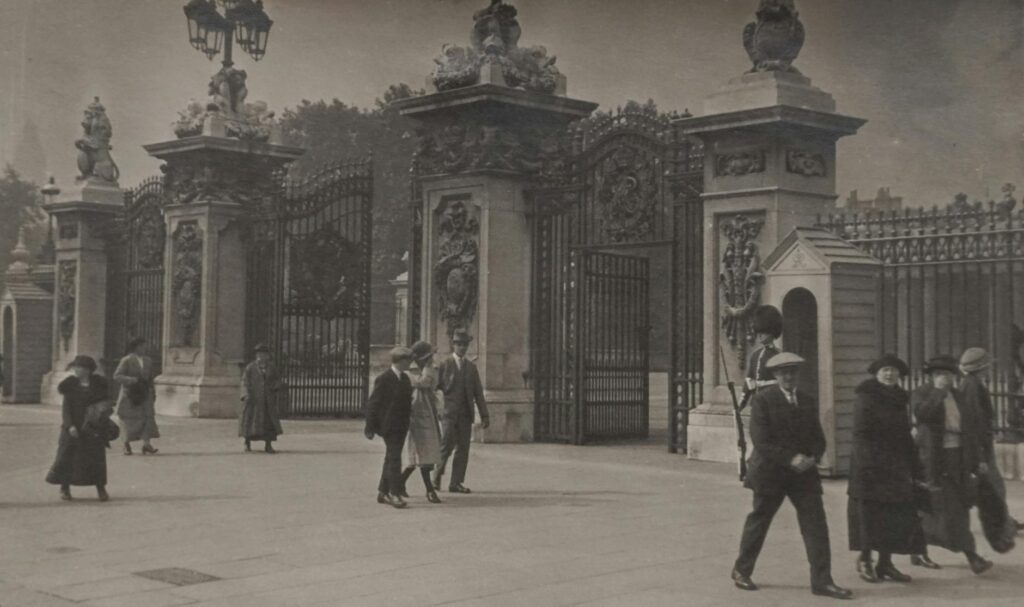
[IMAGE alt=”Vintage photographic print showing a historical European street scene” caption=”An example of a cumonprintedpicture with clear historical context.”]
Where to Buy Authentic Cumonprintedpictures in the UK
For those of you in the UK, finding genuine cumonprintedpictures requires a strategic approach. Stick to established channels and do your due diligence. Here are a few avenues I trust:
- Reputable Art Galleries: Many galleries in London and other major cities specialise in photography or prints. They offer curated selections and expert advice.
- Established Auction Houses: Places like Sotheby’s or Christie’s have dedicated photography and print departments. While often high-end, they provide a high degree of authenticity and provenance. Smaller regional auction houses can also yield treasures, but require more research.
- Specialist Print Dealers: Look for dealers with a long-standing reputation and clear contact information. A quick search for ‘vintage photographic prints UK’ will bring up some options. For example, The Photographers’ Gallery in London is a good starting point for market.
- Museum Shops (for specific editions): Some museums release limited edition prints of works in their collections. Here are usually clearly marked as reproductions but can be of very high quality and come with official backing.
It’s Key to ask questions. Don’t be afraid to ask about the print’s history, condition, and the seller’s return policy. A genuine seller will be happy to provide this information.
The Role of Digitalisation and New Printing Technologies
The digital age has both helped and complicated the world of cumonprintedpictures. On one hand, digital archives and online marketplaces like Artsy.net make it easier than ever to discover and even purchase prints from around the globe. Websites like the National Archives (UK) often have extensive collections that can be ordered as prints.
But — the ease of digital reproduction means that ‘fakes’ or unauthorized reproductions are more prevalent. Advanced printing techniques, like giclée, can create incredibly lifelike reproductions of paintings and even photographs. While these are valuable in their own right for accessibility, they aren’t ‘original prints’ in the collector’s sense. difference between a ‘limited edition fine art print’ and a ‘commercial poster’ is really important.
For example, many historical photographs are now available as modern prints from archives. Here are often printed on archival paper using high-quality inkjet technology. they’re authentic in that they’re official reproductions from a known source, but they aren’t contemporary prints made by the original photographer. I personally value these archival prints for study and appreciation, but their market value is different from a vintage original.
Common Mistakes to Avoid
Beyond buying fakes, here are other pitfalls:
- Ignoring Condition: Tears, fading, foxing (brown spots), or water damage can reduce a print’s value.
- Poor Framing: Acidic mats and backing boards can damage prints over time. Always check the framing materials if buying framed.
- Believing Everything Online: Treat online listings with caution. Always verify the seller and the item’s description.
- Not Understanding Editions: As mentioned, the difference between a lifetime edition and a posthumous one is huge.
I once saw a beautiful Edward Weston print at a dealer in Brighton. It was priced quite reasonably. When I asked about its history, the dealer sheepishly admitted it was a posthumous print from the 1980s. While still a Weston image, its value was a fraction of a print made during his lifetime. Here’s a classic example of how critical it’s to ask those specific questions.
Frequently Asked Questions
what’s the difference between a vintage print and a modern print?
A vintage print is typically made within a few years of the original negative or artwork’s creation, often during the artist’s lifetime. A modern print is made much later, even from an original negative, using contemporary printing techniques and materials. This distinction heavily influences value and historical significance.
Are reproductions valuable?
Generally, no, not in the same way as original prints. However, high-quality reproductions from reputable sources, especially limited editions or those made with archival materials, can have decorative value and hold some worth, especially if they’re from a well-known artist or institution.
How can I tell if a print is signed?
Look for a mark made by the artist’s hand, typically in pencil or ink, on the front or back of the print. Signatures can vary greatly in style, so comparing it to known examples of the artist’s signature is Key. Some artists also use a stamp.
What does ‘limited edition’ mean for prints?
A limited edition means only a specific, predetermined number of prints will be produced from a particular plate, negative, or digital file. Each print in the edition is usually numbered (e.g., 10/50) and signed by the artist to verify its authenticity and scarcity.
Is it safe to buy cumonprintedpictures online from European sellers?
Yes, it can be safe if you buy from established galleries or reputable online platforms that vet their sellers, like Artsy. Always check seller reviews, ask for detailed provenance, and ensure they have a clear return policy. Shipping can add complexity and cost, so factor that in.
My Take on Acquiring Printed Pictures
Finding authentic cumonprintedpictures, especially in the UK and Europe, is a rewarding pursuit that requires patience, research, and a healthy dose of skepticism. Don’t rush into purchases. Build relationships with trusted dealers, educate yourself on printing processes and historical context, and always prioritise provenance. The joy isn’t just in owning a beautiful image, but in owning a genuine piece of history or art with a verifiable story.
Last updated: April 2026
Editorial Note: This article was researched and written by the Bly Sky Builders editorial team. We fact-check our content and update it regularly. For questions or corrections, contact us.