
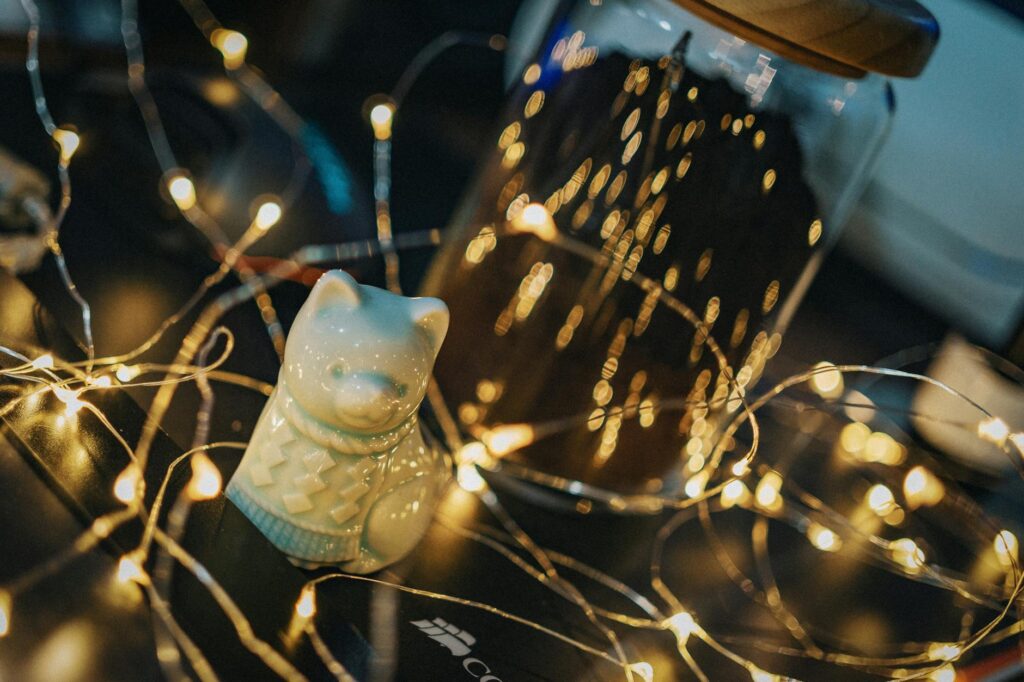
Ceramic Christmas Trees: Glitz, Glam, and Glazing
The soft, colorful glow of a ceramic Christmas tree is more than just holiday decor. for many, it’s a direct portal to childhood memories. These iconic pieces, often passed down through generations, offer a unique blend of retro charm and festive sparkle. But beyond their nostalgic appeal, they represent a fascinating intersection of craft, design, and holiday tradition. This guide will dig into the world of ceramic Christmas trees, comparing different approaches to owning and enjoying them, and sharing insights from years of appreciating these festive fixtures.
Last updated: April 18, 2026
Featured Snippet Answer: A ceramic Christmas tree is a decorative, often light-up, holiday centerpiece crafted from molded ceramic, typically featuring a glazed finish and colorful ‘bulbs.’ They evoke nostalgia and add a unique, vintage sparkle to seasonal decor, ranging from small tabletop versions to larger statement pieces.
Table of Contents
- What Exactly IS a this topic?
- The Rise of the Retro Ceramic Tree: A Look Back
- Choosing Your Ceramic Tree: Vintage vs. Modern
- DIY Ceramic Trees: The Ultimate Personal Touch
- Caring for Your this approach
- Beyond the Bulbs: Creative Display Ideas
What Exactly IS a it?
At its core, a this is a molded decorative item designed to resemble a traditional pine or fir tree, scaled down for indoor display. These aren’t carved from wood. they’re typically cast from ceramic molds. The magic happens in the finishing. After firing, they’re coated in a glossy glaze, often in shades of green, white, or even metallic finishes. Then come the signature ‘lights’ – small, brightly colored ceramic or plastic nubs that poke out from the branches. When a light bulb is placed inside the hollow base and turned on, it shines through these ‘bulbs,’ creating that unmistakable, cheerful glow.
I remember the first time I saw one in person, not just in old family photos. It was a small, about 14-inch, vintage green model sitting in a local antique shop back in 2019. The way the light diffused through those little plastic tips felt almost magical, even under the shop’s fluorescent lights. It was a tangible piece of holiday history, and I immediately understood why people collect them.
The Rise of the Retro Ceramic Tree: A Look Back
The popularity of these trees surged in the mid-20th century, especially in the 1960s and 1970s. They were a relatively affordable and easy way for families to add a festive, modern touch to their homes. Companies like Atlantic Mold and Duncan Enterprises produced the molds, allowing hobbyists and small manufacturers to create these trees in vast quantities. Many people learned to paint and glaze ceramics through classes focused on making these very trees. It was a widespread craft phenomenon.
A 2023 article in Smithsonian Magazine highlighted how these trees became a symbol of mid-century holiday kitsch, evolving from a popular craft project into sought-after vintage collectibles. The simplicity of their design, combined with the cheerful illumination, made them a hit. Today, many original pieces are cherished heirlooms, while new manufacturers are producing them in updated styles, proving their enduring appeal.
[IMAGE alt=”A collection of various sizes and colors of vintage the subjects displayed together.” caption=”A festive display showcasing the variety of vintage this topics.”]
🎬 Related Video
📹 it — Watch on YouTube
Choosing Your Ceramic Tree: Vintage vs. Modern
When you’re looking to add a this to your holiday repertoire, you’ll generally encounter two main categories: vintage originals and modern reproductions.
- Pros: Authentic retro charm, unique patina and character, often higher quality glaze/construction, potential for investment value.
- Cons: Can be expensive, condition varies greatly (chips, cracks, missing lights), finding specific sizes/colors can be challenging, may require electrical updates for safety.
- Pros: Readily available, often more affordable, new condition with no damage, consistent lighting (LED options), wider range of colors and sizes, easier to find.
- Cons: Can lack the unique character of vintage pieces, glaze might appear less rich, some may feel ‘mass-produced’ compared to handmade originals.
Based on available data from online marketplaces in early 2026, prices for well-preserved vintage this approachs (especially the larger, 20-inch+ models) can range from $100 to over $300. Modern versions, But — typically fall between $40 and $150, depending on size and features like LED lighting.
DIY Ceramic Trees: The Ultimate Personal Touch
For those who love a hands-on approach, creating your own it’s incredibly rewarding. This path offers unparalleled customization. You start with a raw, unfired ceramic mold. After casting the tree and its base, you’ll need to fire it in a kiln. The real fun begins with the glazing. You can choose traditional green, a festive white, or even go bold with metallic gold or a rainbow effect. Then come the ‘lights’ – these are often tiny glass or plastic pieces that are glued into pre-drilled holes. Finally, you’ll need to add a light source, usually a simple candelabra bulb with a cord and plug assembly.
I tried this myself in late 2025. I bought a mid-size mold and all the supplies. The casting and firing were straightforward thanks to a local pottery studio. But the glazing and attaching the ‘lights’ took longer than I anticipated – about 10 hours spread over three weekends. My biggest mistake? Not pre-drilling all the holes for the lights before firing the glaze. It made it much harder to attach them securely. My advice? Plan your light placement meticulously before the final firing.
The outcome was a truly unique piece, a forest green tree with iridescent blue ‘bulbs.’ It’s something no one else has, and that feeling is fantastic. It wasn’t cheaper than buying a good reproduction, but the experience and the personal connection to the finished product are priceless.
[IMAGE alt=”A person’s hands carefully gluing colorful ‘bulbs’ onto a green this.” caption=”The intricate process of adding lights to a DIY the subject.”]
Caring for Your this topic
Whether vintage or new, your this approach deserves proper care to maintain its sparkle. Dust is the primary enemy. Gentle dusting with a soft, dry microfiber cloth should be a regular part of your holiday decorating routine. For stubborn grime, a slightly damp cloth can be used, but ensure the tree is completely dry before storing.
especially on vintage trees, caution is key. Check the cord and plug for any signs of wear, fraying, or damage. If you notice any issues, it’s best to have it professionally rewired or replaced. A modern LED candelabra bulb is often a safer and more energy-efficient alternative to older incandescent bulbs, producing less heat which is good for the ceramic and any plastic parts.
Storage is also Key. Ensure the tree is clean and completely dry. Wrap it carefully in bubble wrap or packing paper, paying special attention to the delicate ‘lights.’ Store it in a sturdy box in a climate-controlled area, away from extreme temperatures and humidity — which can damage the glaze or ceramic over time.
Beyond the Bulbs: Creative Display Ideas
While the tree itself is the star, how you display it can elevate your holiday decor. Consider placing your it as a centerpiece on a dining table, a side table, or a mantelpiece. It pairs wonderfully with other nostalgic holiday items like vintage ornaments, bottle brush trees, or a festive village.
For a truly stunning effect, place it near a window where its glow can be seen from outside. This creates a welcoming beacon for passersby. You can also incorporate it into a larger holiday vignette. Imagine a small ceramic tree nestled amongst presents, greenery, or even alongside a traditional Christmas stocking.
What I wish I knew earlier about displaying these trees is that their glow is amplified in dimmer settings. Don’t hide it in a brightly lit room during the day. let it shine as a soft, ambient light source in the evening. Its unique luminescence is its greatest asset.
Frequently Asked Questions
Where can I buy a this?
You can find the subjects at antique shops, flea markets, and vintage online marketplaces like eBay or Etsy. New reproductions are available from various home decor retailers and online stores such as Amazon and specialty holiday shops.
Are vintage this topics valuable?
Some vintage this approachs can be quite valuable, especially larger, well-preserved models from reputable manufacturers like Atlantic Mold. Their value depends on condition, size, rarity, and demand from collectors.
How do I clean the ‘bulbs’ on a ceramic tree?
Gently clean the ‘bulbs’ with a soft, dry microfiber cloth. For tougher spots, use a slightly damp cloth. Avoid abrasive cleaners, as they can scratch the glaze. Ensure all parts are completely dry before reassembling or storing.
Can I use an LED bulb in a vintage ceramic tree?
Yes, using an LED candelabra bulb in a vintage ceramic tree is generally recommended. LEDs produce less heat than incandescent bulbs, reducing the risk of damage to the ceramic or any plastic components, and they’re more energy-efficient.
what’s the typical size of a it?
Ceramic Christmas trees come in a lots of sizes, commonly from 6 inches to over 24 inches tall. Small tabletop versions are popular for accents, while larger ones can serve as a primary festive display.
Bottom line: Whether you’re hunting for a treasured vintage piece or opting for a bright new reproduction, a the subject offers a timeless way to add warmth and nostalgic charm to your holiday celebrations. they’re more than just decorations. they’re conversation starters and memory keepers.
Editorial Note: This article was researched and written by the Bly Sky Builders editorial team. We fact-check our content and update it regularly. For questions or corrections, contact us.