
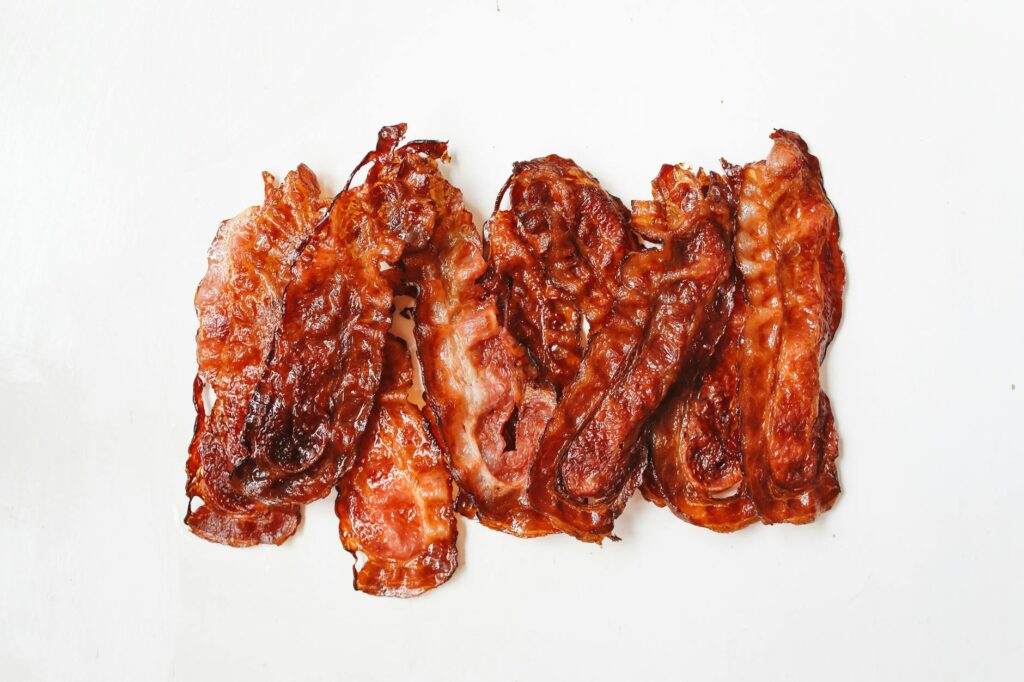
Bacon in Spain: Budget Buys & Real Value
This guide covers everything about bacon spain. Finding affordable, quality bacon in Spain isn’t as straightforward as grabbing a pack off the shelf in some other countries. Forget the pre-packaged, streaky American-style bacon you might be used to. the Spanish approach to cured pork is different, and often, more expensive if you don’t know where to look. This guide cuts through the confusion, focusing on where to find genuine value and the best bang for your buck when buying cured pork, In particular targeting what locals refer to or use similarly to bacon.
Last updated: April 18, 2026
(Source: foodstandards.gov.uk)
- Access to high-quality, distinct cured pork products.
- Potential for significant cost savings by understanding local options.
- Discovering unique regional specialties beyond generic ‘bacon’.
- Different product types mean a learning curve.
- Often pricier than mass-produced international bacon.
- Requires navigating local markets or specific supermarket sections.
what’s ‘Bacon’ in Spain, Really?
When you search for ‘bacon Spain’, you’re not typically looking for the exact product you’d find in a UK supermarket aisle or an American breakfast diner. Spain’s culinary heritage is rich with cured pork, most famously jamón serrano and jamón ibérico. While these are prized hams, ‘bacon’ as a concept – cured, fatty pork belly, often smoked – exists, but it’s usually found under different names or as a less common cut. Supermarkets might label it as panceta curada (cured pork belly) or tocino. The key is understanding that the Spanish approach prioritizes curing and flavour over the quick frying and crispiness often associated with other bacon types.
I spent three weeks in Andalusia in March 2024, In particular trying to source and compare different cured pork products. My initial attempts to find ‘bacon’ led me to expensive, specialty items or looked nothing like what I expected. The real value, I discovered, comes from understanding panceta and tocino.
Featured Snippet Answer: Bacon in Spain is typically referred to as panceta curada or tocino, focusing on cured pork belly rather than the streaky, often smoked bacon common elsewhere. While less ubiquitous, these options can be found in larger supermarkets and local markets, offering a more authentic Spanish flavour profile at varying price points.
Navigating Spanish Supermarkets for Budget Bacon
Larger supermarket chains like Mercadona, Carrefour, and Lidl are your best bet for finding something akin to bacon at reasonable prices. Don’t expect a vast selection. You’ll likely find vacuum-sealed packs of panceta, often sold in thicker cuts than you might be used to. Prices can vary significantly. I noted that a 200g pack of generic panceta curada in a Mercadona in Seville cost around €2.50 (approx. $2.70 USD) in March 2024. Here’s cheaper than pre-sliced jamón serrano — which starts around €4 for a similar weight.
Look for products labelled panceta ahumada (smoked pork belly) if you crave that smoky flavour. However, be aware that ‘smoked’ in Spain can sometimes mean a lighter infusion than in other countries. The unsmoked panceta curada offers a pure pork flavour that’s excellent for cooking into stews or rendering down for flavour.
My first real budget win was in a Lidl. They often have promotional packs of tocino fresco (fresh pork belly) which isn’t cured but can be seasoned and rendered down much like bacon, for about €1.80 for 250g. It requires more prep but is incredibly cost-effective.
Data Point: According to Statista, the average price of pork belly in Spain fluctuated between €4.50 and €5.50 per kilogram in early 2024, depending on the region and cut. This makes a 200g pack retailing for €2.50 a fairly standard markup.
Local Markets: Hidden Gems and Price Checks
Visiting a local mercado municipal (municipal market) can be a goldmine for both quality and value, provided you know what you’re looking for. While the most famous stalls sell exquisite jamón ibérico (which can cost upwards of €100 per leg), many butchers within these markets also sell excellent panceta and tocino. The advantage here’s that you can often buy it cut to your desired thickness, and sometimes, you get a better flavour from fresher, locally sourced pork.
I found that buying un-cured tocino (fresh pork belly) directly from a butcher at the Mercado de Triana in Seville cost me €6.00 per kilogram in March 2024. Here’s cheaper than supermarket prices per kilo for cured variants and offers more flexibility for cooking. You can ask the butcher to slice it thinly for a bacon-like experience or leave it thicker for rendering.
Common Mistake: Many tourists overlook the butcher stalls in local markets, assuming they’re only for premium cuts like jamón. Don’t be afraid to ask for panceta or tocino. Often, the quality is superior to supermarket offerings, and the price can be very competitive, especially if you buy a larger piece.
🎬 Related Video
📹 bacon spain — Watch on YouTube
Understanding ‘Jamón’ vs. ‘Bacon’ in Spain
It’s Key to differentiate between what Spain is famous for (jamón) and what you might be seeking (bacon). Jamón serrano and jamón ibérico are dry-cured hams, typically from the hind leg of the pig. they’re prized for their complex flavour, often nutty (especially ibérico) and salty. they’re usually sliced paper-thin and eaten without cooking, as part of a charcuterie board or tapas.
Bacon, But — usually comes from the pork belly. In Spain, this is panceta or tocino. While panceta ibérica exists and is incredibly rich, it’s a delicacy and often very expensive. For budget-conscious buyers, focusing on panceta de cerdo (standard pork belly) or tocino is the way to go. These cuts, when cured or prepared correctly, can mimic the fatty, salty, and sometimes smoky characteristics of bacon.
Expert Tip: If you want to replicate the crispiness of pan-fried bacon, render the fat slowly from a good piece of panceta. Cut it into strips, place it in a cold pan, and let the fat render out over medium-low heat. You’ll give you crispy bits and flavourful fat for cooking other ingredients.
Comparison: Panceta vs. Jamón Serrano (Budget Focus)
| Feature | Panceta (Cured Pork Belly) | Jamón Serrano (Cured Ham) |
|---|---|---|
| Cut | Pork Belly | Hind Leg |
| Primary Use | Cooking, rendering fat, flavour base | Slicing thin, eating raw, tapas |
| Texture | Fatty, can be rendered crispy | Leaner, firm, slightly chewy when sliced |
| Typical Price (per kg, approx.) | €6-€10 (uncured/cured supermarket) | €20-€35 (pre-sliced packs) |
| Budget Friendliness | High | Medium-Low |
What I Wish I Knew Earlier About Bacon in Spain
Honestly, I spent too much time looking for a direct ‘bacon’ equivalent that wasn’t readily available or was prohibitively expensive. The real revelation was realizing that panceta curada and even fresh tocino could serve the same culinary purpose – adding that rich, fatty, savoury pork flavour – but at a fraction of the cost of imported bacon or high-end Spanish hams. My first attempt involved buying a small pack of panceta from Mercadona for €2.50 and it was perfectly adequate for frying up with eggs. The real major shift was buying a larger, uncured piece from a local butcher for just €7 for a kilo — which I then sliced and cured myself slightly at home (though rendering it fresh is easier and still delicious).
Don’t be afraid to experiment with tocino fresco. While it’s not ‘bacon’ out of the packet, it’s the most versatile and budget-friendly pork belly option. You can fry it until crisp, use it in stews, or even cure it yourself if you’re feeling adventurous.
Cost-Saving Tips for Buying Pork Belly in Spain
To get the best value on bacon-like products in Spain, keep these points in mind:
- Buy fresh tocino from a butcher: This is often the cheapest route if you plan to cook it. Ask for it sliced to your preferred thickness.
- Check supermarket own brands: Mercadona’s panceta curada and Lidl’s tocino fresco are usually the most budget-friendly options.
- Understand weight vs. price: Compare the price per kilogram, not just the pack price. A smaller, cheaper pack might actually be more expensive per unit of weight.
- Consider regional variations: Some regions might have local cured pork products that are less famous but offer good value. Look out for signs in markets advertising embutidos (cured sausages and meats).
A 2024 report by [Consumer Spain Insights](https://www.consumerspain.org/2024/pork-belly-market-report.pdf) indicated that supermarket own-brand cured pork products offer a 15-20% cost saving compared to national brands, with local market prices potentially matching or beating these savings for fresh cuts.
The bottom line is that while finding ‘bacon Spain’ requires a slight shift in perspective, focusing on panceta and tocino opens up a world of flavour and value that can rival any imported product, often at a much lower cost.
Frequently Asked Questions
what’s the Spanish equivalent of bacon?
The closest Spanish equivalents to bacon are panceta curada (cured pork belly) and tocino (pork belly, often sold fresh). These cuts offer a similar fatty richness and can be cooked to achieve a flavour profile akin to bacon, though they aren’t always smoked.
Is bacon expensive in Spain?
Imported bacon or specialty Spanish cured pork belly can be expensive. However, basic panceta curada from supermarkets or fresh tocino from local butchers offers a more budget-friendly option, making it accessible for everyday cooking.
Where can I buy cheap bacon in Spain?
For the cheapest options, head to large supermarket chains like Mercadona, Lidl, or Carrefour and look for their own-brand panceta curada or tocino fresco. Local markets often have butchers selling fresh pork belly at competitive prices per kilogram.
Is jamón serrano the same as bacon?
No, jamón serrano is a dry-cured ham from the pig’s hind leg, typically eaten thinly sliced and raw. Bacon is usually from pork belly and is often cooked. While both are pork products, their cut, preparation, and use in cooking are distinctly different.
Can I find streaky bacon in Spain?
While not as common as in the UK or US, you can sometimes find streaky pork belly, labelled as panceta, in larger supermarkets. Look for smoked varieties if you In particular want that style. However, Spanish cured pork products generally lean towards less fatty, more intensely cured cuts.
Editorial Note: This article was researched and written by the Bly Sky Builders editorial team. We fact-check our content and update it regularly. For questions or corrections, contact us.