
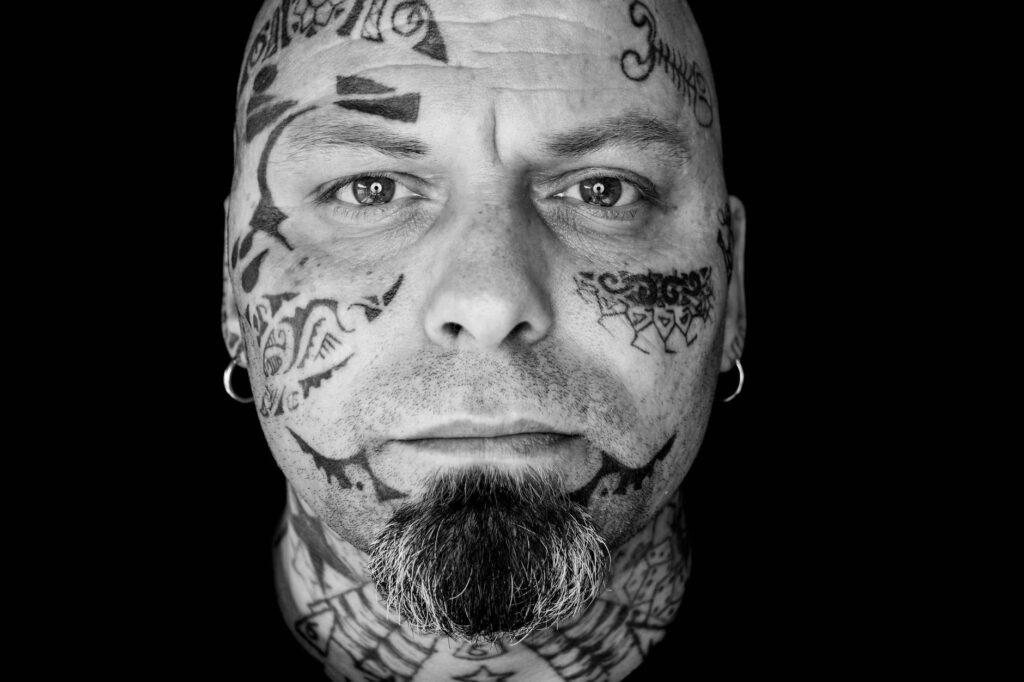
The Enduring Impact of a Tattoo with Face Placement
A tattoo with face placement represents one of the most significant decisions an individual can make regarding body art. Unlike tattoos on less visible areas, facial ink is immediately apparent, carrying immediate and often long-lasting social, professional, and personal implications. This article navigates the complex world of face tattoos, examining their rise in popularity, the profound psychological and societal considerations, the stark realities of potential regret, and the evolving world of removal technologies.
Last updated: April 20, 2026
A face tattoo is a permanent artistic choice that becomes an intrinsic part of an individual’s identity. The decision to get inked on the face isn’t to be taken lightly, requiring careful consideration of artistic intent, personal meaning, and societal reception. It’s a commitment that can profoundly shape one’s life experiences.
Why Choose the Face for a Tattoo?
The motivation behind choosing the face for a tattoo is as varied as the individuals themselves. For some, it’s a profound act of self-expression, a way to wear their identity, beliefs, or allegiances openly. Celebrities like the musician Grimes have made headlines for their facial ink, often sparking broader conversations about personal autonomy and artistic statements. Her decision, as reported by The Cut in October 2025, to get a facial tattoo was met with considerable public interest.
Other motivations can include:
- Artistic Statement: The face offers a prominent canvas for intricate designs or symbolic imagery.
- Personal Beliefs: Tattoos can represent deep-seated spiritual, philosophical, or political convictions.
- Tribute or Memorial: Some choose facial tattoos to honour loved ones or significant life events.
- Rebellion or Counter-Culture: Historically, visible tattoos have been associated with subcultures and a rejection of mainstream norms.
- Aesthetic Choice: For some, facial tattoos are simply part of a desired aesthetic.
The desire for a tattoo with face placement often stems from a deep-seated need to display a part of oneself that’s otherwise hidden or internal. It’s a bold declaration of selfhood in the most public of ways.
The Dark Side: Coercion and Abuse
Tragically, not all face tattoos are a result of personal choice. In harrowing cases, individuals have been subjected to forced tattooing as a form of abuse and control. A disturbing report from the New York Post in April 2026 detailed an incident where a woman was reportedly forced by an abuser to have his name tattooed over 250 times across her face and body using an inexpensive online tattoo machine. This case works as a stark reminder that while tattoos can be empowering, they can also be instruments of extreme cruelty and coercion.
Such incidents highlight the critical importance of consent and the potential for tattoos to be used in abusive relationships. The psychological and physical trauma inflicted in these situations is immense, underscoring the need for awareness and support for victims.
Celebrities and Face Tattoos: Normalising the Trend?
The visibility of face tattoos among celebrities has contributed to their increased acceptance and, for some, a desire to emulate the look. Beyond Grimes, other public figures have sported facial ink, blurring the lines between edgy artistic expression and mainstream fashion. However, the public reception is often mixed, with praise for individuality clashing with criticism or concern.
The #ChriseanRock situation, involving her process of getting a face tattoo removed, as reported on platforms like Instagram in December 2025, exemplifies this complexity. While the initial tattoo was a statement of personal connection, the subsequent decision for removal points to the evolving nature of personal identity and the potential for regret. These high-profile cases can influence public perception, but they also demonstrate that even for those in the public eye, the decision is rarely without its complications.
The Social and Professional Ramifications
A tattoo with face placement can impact social interactions and professional opportunities. While societal attitudes towards tattoos have become more liberal over the years, facial tattoos remain one of the most challenging types of body art to integrate into certain professional environments. Many employers, especially in conservative industries, may view visible facial tattoos as unprofessional or indicative of a lack of seriousness.
You can lead to:
- Employment Barriers: Difficulty securing jobs in fields that require client-facing roles or adhere to strict dress codes.
- Social Stigma: Facing judgment, stares, or assumptions based solely on appearance.
- Personal Relationships: Navigating reactions from family, friends, and partners who may have differing views.
Conversely, in creative industries or communities where tattoos are more common, a face tattoo might be seen as an asset or simply a non-issue. The key takeaway is that the reception is highly contextual and can vary dramatically depending on the social circle and professional setting.
One individual documented the significant hate she received for tattooing freckles onto her face, yet expressed plans to add more. As reported by People.com in April 2026, this situation highlights the intense scrutiny and personal resilience required when making such visible aesthetic choices. The decision to tattoo freckles, intended as a permanent cosmetic enhancement, still drew considerable negative attention, illustrating the ongoing societal debates surrounding body modification.
The Artistry and Technical Skill Involved
Applying a tattoo to the face requires a high level of skill and precision from the artist. The skin on the face is delicate and varies in thickness across different areas, demanding careful technique to ensure a clean, consistent result. Artists must consider the contours of the face, how the skin stretches, and the longevity of the design.
Factors contributing to successful facial tattooing include:
- Artist Experience: Choosing an artist with a proven portfolio of facial work is really important.
- Equipment Quality: While some abusers use cheap online machines, reputable artists invest in high-quality, sterilised equipment. According to industry standards, professional tattoo machines like those from Bishop Rotary or Intenze are favoured for their precision and reliability.
- Ink Selection: High-quality inks ensure vibrancy and longevity, with brands like Eternal Tattoo Supply inks being popular choices among professionals.
- Aftercare: Proper healing is Key for any tattoo, but especially on the face where it’s constantly exposed.
The process itself can be painful, and the placement requires the client to remain still for extended periods. It’s a collaborative effort between artist and client, demanding trust and clear communication.
Considering Tattoo Removal: The Reality
For those who come to regret their face tattoo, the process of removal is often challenging, expensive, and time-consuming. Laser tattoo removal is the most common method, using concentrated light beams to break down the ink particles beneath the skin. However, the effectiveness depends on several factors:
- Ink Colour: Black ink is generally the easiest to remove, while colours like green, blue, and yellow can be more stubborn.
- Ink Depth and Density: Deeper or more densely packed ink requires more sessions.
- Age of Tattoo: Older tattoos may respond differently than newer ones.
- Individual Skin Type: Skin tone and healing responses vary.
The process can be uncomfortable, and potential side effects include blistering, swelling, temporary or permanent discolouration, and scarring. Multiple sessions, often spaced weeks or months apart, are typically necessary. A single session can cost anywhere from £150 to £500 (or $200 to $700 USD), depending on the size and complexity of the tattoo and the clinic’s pricing. For a full face tattoo, the total cost can run into many thousands of pounds or dollars.
The decision to get a tattoo with face placement should always include a realistic assessment of the potential difficulties and costs associated with removal, should the need arise. Resources like the American Academy of Dermatology Association provide guidance on tattoo removal procedures.
Frequently Asked Questions
Is a face tattoo permanent?
Yes, a face tattoo is considered permanent. While laser removal technologies have advanced completely eradicating facial ink without any trace or side effects can be extremely difficult and costly. It’s essential to approach any facial tattoo as a lifelong commitment.
What are the risks associated with face tattoos?
Beyond the permanent nature and potential regret, risks include infection if proper hygiene isn’t maintained during the tattooing and healing process, allergic reactions to ink, scarring, and significant social or professional stigma. The delicate skin on the face also increases the risk of adverse reactions or poor healing.
Can face tattoos be covered up?
Cover-up tattoos are possible, but they require a skilled artist and a design that can effectively mask the existing ink. Often, cover-ups need to be larger and darker than the original tattoo. For a face tattoo, finding suitable cover-up designs that are aesthetically pleasing and socially acceptable can be a significant challenge.
How much does face tattoo removal cost?
The cost of face tattoo removal varies greatly depending on the size, colours, and complexity of the tattoo, as well as the number of sessions required. It can range from several thousand to tens of thousands of pounds or dollars. Consultations with reputable laser clinics are necessary to get an accurate quote.
what’s the healing process like for a face tattoo?
The healing process for a face tattoo is similar to other tattoos but can be more sensitive due to the face’s exposure to the elements and daily activities like eating and talking. Swelling, redness, and tenderness are common in the first few days. Strict adherence to aftercare instructions, provided by the tattoo artist, is Key to prevent infection and ensure proper healing.
The Final Word: A Decision Demanding Deep Consideration
Opting for a tattoo with face placement is a profound decision that warrants extensive reflection. While it can be a powerful form of self-expression and artistic declaration, the potential for social and professional repercussions, coupled with the arduous nature of removal, can’t be overstated. It’s vital to weigh the personal desire for such a visible statement against its lasting impact. Consulting with experienced tattoo artists, understanding societal perceptions, and realistically assessing one’s own long-term commitment are Key steps before embarking on this irreversible journey.