
The Birth of the Sailboard: More Complex Than You Think
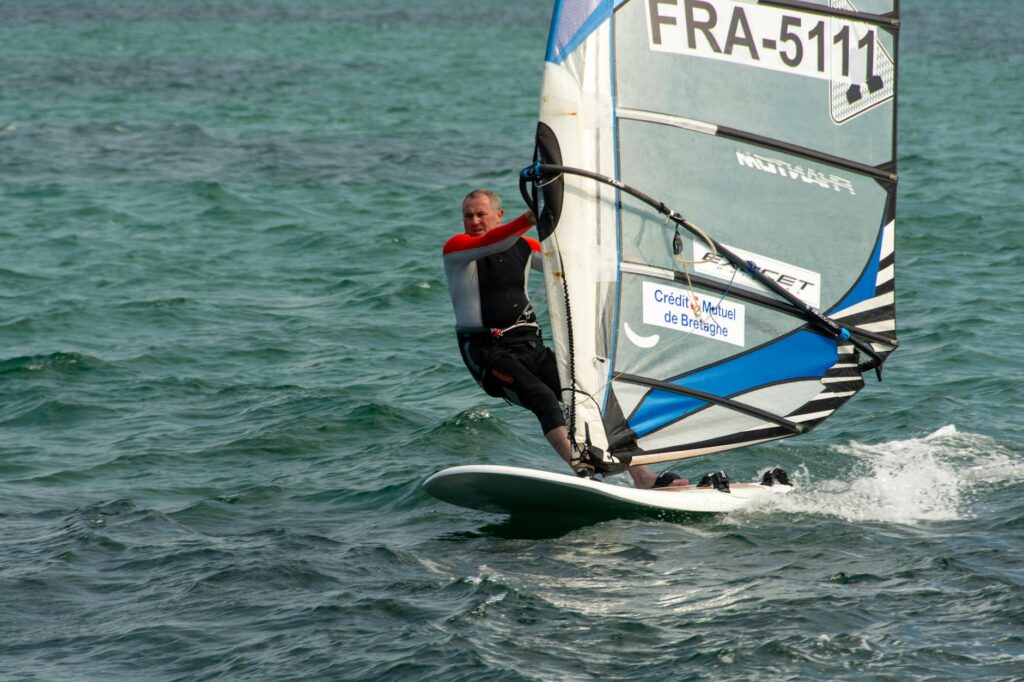
The image of a windsurfer gliding across the water, Using the power of the wind with a sail attached to a board, is iconic. But when did windsurfing invented? The answer is surprisingly complex, involving a blend of serendipity, persistent innovation, and a desire to combine the thrill of sailing with surfing’s freedom. While many associate its modern form with the 1960s and 70s, the concept of using wind power on a board has a lineage that might even surprise medieval scholars.
Last updated: April 20, 2026
The journey to modern windsurfing is a fascinating chronicle of human ingenuity. It wasn’t a single eureka moment but a series of developments and refinements by various individuals, each contributing a Key piece to the puzzle. Understanding these contributions helps us appreciate the sport’s rich history and the dedication of its early pioneers.
Who Exactly Invented Windsurfing?
Pinpointing a single inventor for windsurfing is challenging, as the sport evolved through multiple stages and contributions. The most widely recognized pioneers of the modern sailboard are Jim Drake and Hoyle Schweitzer — who patented their design in 1968. However, the concept of a sailboard predates their work. S. Newman Darby is often credited with inventing the sailboard in 1964, patenting a design that closely resembled the modern windsurfer, though it didn’t achieve widespread commercial success at the time.
Darby’s creation featured a board with a mast and sail that could be swiveled. According to The New York Times (2016), S. Newman Darby, an inventor from Philadelphia, died at age 88, having developed his sailboard concept in the mid-1960s. His work demonstrated a clear understanding of the principles of windsurfing, but it was Drake and Schweitzer’s version that truly launched the sport into the mainstream.
The Drake and Schweitzer Innovation
Jim Drake, a surfer and engineer, and Hoyle Schweitzer, a competitive sailor, collaborated to create a more refined and commercially viable windsurfing board. Their patent, filed in 1968, described a board with a universal joint connecting the sail rig to the board, allowing for greater maneuverability. This Key innovation made the sport easier to learn and control compared to earlier designs.
The pair founded the Windsurfing International company — which began mass-producing their boards. According to Surfertoday (2019), the invention of windsurfing as we know it’s often attributed to Drake and Schweitzer’s successful commercialization and patenting efforts. Their design, which became known as the Windsurfer, was a runaway success, popularizing the sport globally.
Early Precursors and Uncredited Innovations
While Darby’s patent and Drake and Schweitzer’s commercial success mark key milestones, the idea of combining sailing and surfing principles has deeper roots. Some historical accounts even hint at much earlier, albeit less documented, attempts. For instance, an article on Aleteia.org (2026) humorously ponders if a medieval saint, Saint Nicholas of Tolentino, might have inadvertently invented windsurfing, based on a playful interpretation of historical accounts of his travels and possibly being depicted near watercraft. While this is presented more as a historical curiosity than a factual claim, it highlights how the fundamental concept—using a sail on a board—has a timeless appeal.
The early 20th century saw various individuals experimenting with sail-powered watercraft. These were often more akin to small sailboats with boards than what we recognize as windsurfing today. However, they explored similar aerodynamic and hydrodynamic principles. The spirit of innovation was clearly present, even if a unified, popular sport didn’t yet emerge.
The Evolution of the Sport: From Sailboard to Windsurfer
The critical difference between Darby’s sailboard and the Drake-Schweitzer Windsurfer lay in the universal joint. This simple yet revolutionary component, often referred to as the ‘mast foot,’ allowed the sail to pivot freely, enabling the rider to steer the board by shifting their weight and adjusting the sail’s angle. This adaptability made windsurfing accessible to a much wider audience than just expert surfers.
As reported by The Guardian (2023), the history of windsurfing has been marked by periods of rapid growth and intense competition, sometimes referred to as ‘choppy waters.’ The initial boom in popularity in the 1970s led to rapid advancements in board and sail design. Lightweight materials, advanced sail shapes, and ergonomic boom designs all contributed to making the sport faster, more dynamic, and appealing to a broader demographic.
Commercialization and Global Popularity
Hoyle Schweitzer’s business acumen was instrumental in bringing windsurfing to the masses. He aggressively marketed the Windsurfer brand, establishing a global distribution network. Competitions were organized, and the sport quickly gained traction in coastal communities worldwide. By the late 1970s and early 1980s, windsurfing was a bona fide international phenomenon.
The sport’s inclusion in the Olympic Games was a significant milestone, solidifying its status. According to SEA GAMES Thailand 2025 (2025), competitive windsurfing continues to evolve, with new classes and formats emerging. The IQFOiL class, for example, represents the next step in windsurfing competition, showcasing incredible speed and skill. This ongoing evolution demonstrates the sport’s enduring appeal and its capacity for innovation.
Common Misconceptions About Windsurfing’s Origins
One common misconception is that windsurfing was invented solely by surfers looking for a new way to ride waves. While surfing was an inspiration, the development involved significant input from sailors and engineers who understood wind dynamics and hydrodynamics. The sport effectively bridges the gap between these two disciplines.
Another point of confusion arises from the numerous patents and designs that existed before the commercial success of the Windsurfer. Many individuals experimented with similar concepts, but they lacked the commercial drive, the refined design, or the marketing prowess to make their inventions mainstream. The distinction between an invention and a commercially successful product is often blurred in historical accounts.
The Role of Technology and Materials
The evolution of windsurfing technology has been dramatic. Early boards were heavy and made of materials like fiberglass and wood. Sails were often made of heavy canvas. The advent of lighter, stronger materials like aluminum for booms, and later, advanced composites like carbon fiber for boards and masts, transformd performance.
Modern sails use high-tech fabrics such as Dacron and Mylar, allowing for lighter weight, better shape retention, and improved aerodynamic efficiency. These technological advancements have enabled windsurfers to achieve incredible speeds, perform complex aerial maneuvers, and sail in a wider range of wind conditions. As noted by Powerboat.World (2024), early footage of windsurfing showcases a very different aesthetic and performance profile compared to today’s elite athletes.
Windsurfing Capitals and Popular Destinations
Certain locations have become synonymous with windsurfing due to their ideal conditions. Hood River, Oregon, is frequently cited as the ‘Windsurfing Capital of the World.’ According to Culture Trip (2018), this town on the Columbia River Gorge boasts consistent, strong winds and a vibrant community dedicated to the sport, making it a mecca for enthusiasts of all levels.
Other world-renowned windsurfing destinations include Tarifa in Spain, known for its strong winds and lively atmosphere. Maui, Hawaii, with its legendary waves and consistent trade winds. and various spots in Greece, Brazil, and Australia. These locations not only offer prime windsurfing conditions but also build a thriving culture around the sport, attracting professionals and amateurs alike.
The Future of Windsurfing
Windsurfing continues to evolve. Innovations in foil technology — where a hydrofoil attached to the board lifts it out of the water, have opened up new dimensions of speed and performance, especially in lighter winds. This development is pushing the boundaries of what’s possible on a sailboard.
Competitive formats are also adapting. The inclusion of windsurfing disciplines in major multi-sport events, such as the upcoming SEA Games, ensures its continued relevance and appeal. The focus on dynamic, fast-paced disciplines like IQFOiL signals a commitment to keeping the sport at the cutting edge of aquatic performance.
Frequently Asked Questions
Was the invention of windsurfing a single event?
No, the invention of windsurfing wasn’t a single event. It evolved over decades, with contributions from various individuals. While S. Newman Darby developed an early sailboard in the 1960s, Jim Drake and Hoyle Schweitzer are credited with patenting and commercializing the modern, maneuverable design in 1968 — which truly launched the sport into popularity.
who’s considered the primary inventor of modern windsurfing?
Jim Drake and Hoyle Schweitzer are most widely recognized for inventing modern windsurfing due to their successful patent and commercialization of the sport in 1968. Their design, featuring a Key universal joint for maneuverability, made windsurfing accessible and led to its global popularity.
Did surfers invent windsurfing?
While surfers were certainly among the early adopters and innovators, windsurfing wasn’t solely invented by surfers. It drew heavily on principles from sailing and engineering. Jim Drake was a surfer, but Hoyle Schweitzer was a competitive sailor, and the sport’s development involved a blend of expertise from both worlds.
How did early windsurfing boards differ from modern ones?
Early windsurfing boards, like S. Newman Darby’s design, were often heavier and less maneuverable than modern versions. The key innovation by Drake and Schweitzer was the universal joint, allowing for much greater control and flexibility. Modern boards and sails are lighter, more durable, and engineered for higher performance using advanced materials.
Is windsurfing still a popular sport?
Yes, windsurfing remains a popular and dynamic sport. While it experienced a massive boom in the late 20th century, it continues to attract enthusiasts worldwide. Ongoing technological advancements, such as hydrofoiling, and its presence in major competitions like the Olympics and SEA Games, ensure its continued relevance and excitement.
Conclusion: A Legacy of Innovation on Water
The story of windsurfing invented is a testament to the power of combining different disciplines and the relentless pursuit of exhilarating experiences on water. From the early, less refined concepts to the high-performance machines of today, the sport’s journey is marked by ingenuity and passion. While Drake and Schweitzer’s commercial success in 1968 is a key moment, acknowledging the foundational work of pioneers like S. Newman Darby and the broader history of sail-powered craft provides a more complete picture.
For anyone considering taking up this incredible sport, understanding its origins can deepen your appreciation. Whether you’re drawn to the speed, the freedom, or the connection with nature, windsurfing offers a unique adventure. Exploring local windsurfing schools or clubs is a great next step to experiencing the thrill firsthand.