
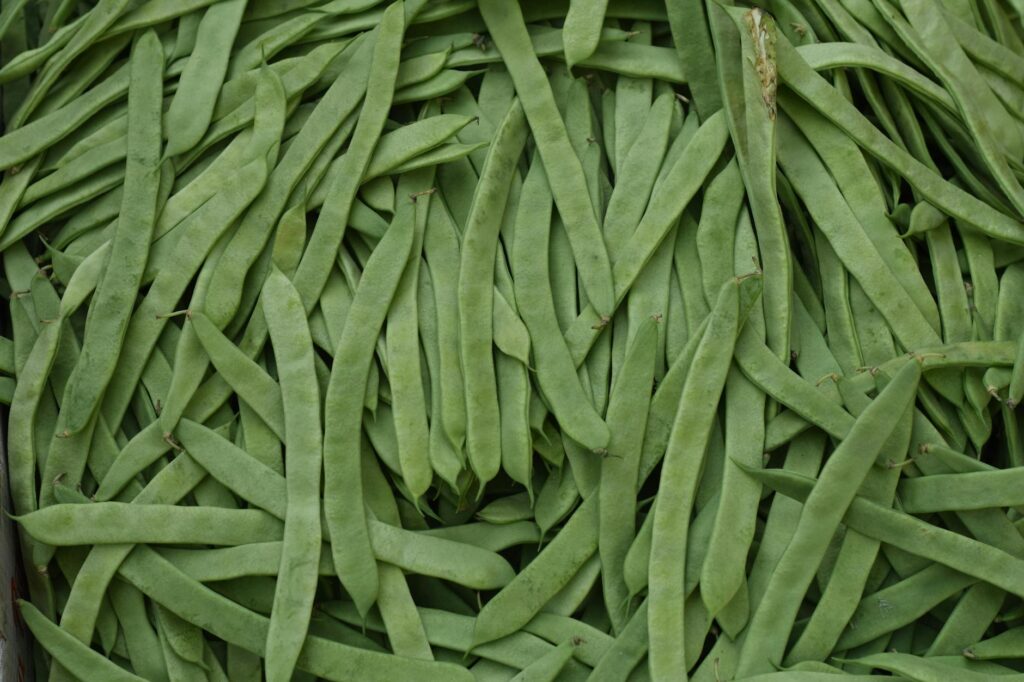
Green Bean Garden: Grow More for Less
Look, everyone wants a garden. The idea of plucking fresh, crisp green beans straight from your own patch is, frankly, intoxicating. But let’s be real: gardening can get expensive. Soil, seeds, tools, fertilizers – it adds up faster than you can say “endive.” If you’ve ever felt priced out of the green bean dream, I’ve got you. We’re talking about how to green bean grow a garden without emptying your wallet. Forget fancy gadgets and pricey organic blends. we’re going back to basics, focusing on value and smart choices. I’ve spent years tweaking my methods, making mistakes so you don’t have to, and I’ve learned that the most rewarding harvests often come from the most frugal approaches.
This isn’t about cutting corners on quality. it’s about being clever. It’s about maximizing every dollar you spend and every inch of your garden space. We’ll cover everything from picking the cheapest seeds to making your own soil amendments. You’ll be amazed at how much you can grow when you focus on what truly matters: healthy plants and delicious beans.
Table of Contents
- Smart Seed Strategies: Where the Savings Start
- Dirt Cheap Soil: Building a Foundation Without Breaking the Bank
- Container Gardening: Big Harvests in Small, Budget-Friendly Spaces
- DIY Fertilizers and Pest Control: Natural Solutions for Pennies
- Watering Wisely: Conserving Water and Your Cash
- Harvest Hacks: Getting the Most Bang for Your Buck
- Companion Planting: Free Allies for Your Green Beans
Smart Seed Strategies: Where the Savings Start
The first place many gardeners overspend is on seeds. You don’t need those $5 packets with 10 seeds. Honestly, it’s often a marketing gimmick. To green bean grow a garden on a budget, start with an economical seed strategy. Look for larger seed packets from reputable, but not necessarily high-end, brands. Companies like Burpee or even store brands often offer better value per seed. Better yet, consider saving seeds from your own harvest or trading with other gardeners. I’ve been saving seeds from my best-producing ‘Blue Lake 274’ plants for years, and they perform just as well, if not better, than store-bought ones.
Consider heritage or heirloom varieties. While some can be pricey, others are readily available and often more resilient. Bush beans are generally easier and quicker to mature, meaning fewer resources are needed over time. Pole beans, while they require trellising, produce over a longer period and can be more space-efficient vertically. When choosing, think about your climate and how long your growing season is. A variety that matures in 50 days is going to be less of a gamble than one that takes 75 days, especially if you’re trying to squeeze in multiple harvests.
Expert Tip: Don’t be afraid to buy seeds at the end of the season or during sales. Most vegetable seeds remain viable for 3-5 years if stored properly in a cool, dark, dry place. I store mine in airtight jars in my basement pantry.
[IMAGE alt=”Seed packets showing different varieties of green beans” caption=”Choosing the right seeds is the first step to a budget-friendly garden.”]
Dirt Cheap Soil: Building a Foundation Without Breaking the Bank
Good soil is the bedrock of any successful garden, but bagged soil can be a budget killer. If you’re planting in the ground, a soil test from your local extension office (often free or very low cost) is your best friend. It tells you exactly what your soil needs, preventing you from buying amendments you don’t actually require. For instance, my soil in the Midwest is clay-heavy, so I know to focus on compost and organic matter, rather than lime — which it already has plenty of.
The absolute cheapest and most effective soil amendment is compost. Start a compost bin. Seriously, it’s the single best investment you can make for long-term garden savings. Kitchen scraps (no meat or dairy), yard waste, coffee grounds from your local cafe – it all becomes black gold. If you don’t have space for a bin, look for community composting programs or ask local farms if they have excess compost they’re willing to share or sell cheaply. Another trick? Worm castings. A small worm farm can produce nutrient-rich fertilizer for free after the initial setup cost (which can be minimal).
If you’re gardening in containers, skip the expensive potting mixes. A 50/50 mix of compost and a cheaper, lighter topsoil can work wonders. Add a handful of perlite or vermiculite if you have it (check dollar stores or garden centers for small bags) for drainage, but it’s not strictly necessary if your compost is good quality. Honestly, I’ve used a mix of compost and even some screened gravel from a landscaping supply store in the bottom layers of my larger pots with decent results for drainage, though I wouldn’t recommend it for smaller pots.
🎬 Related Video
📹 🟢 Green Bean vs ⚡ Raiju | Grow a Garden — Watch on YouTube
Container Gardening: Big Harvests in Small, Budget-Friendly Spaces
Don’t have a yard? No problem. You can absolutely green bean grow a garden in containers. Here’s fantastic for apartments, balconies, or even just supplementing your in-ground garden. The key to making it budget-friendly is reusing what you have and opting for affordable containers. Old buckets, food-grade plastic bins (ensure they’re clean and safe), even sturdy grow bags purchased during end-of-season sales can work. Just make sure whatever you choose has drainage holes.
Bush beans are ideal for containers because they’re compact. Pole beans can also work, but you’ll need to provide a sturdy trellis system — which can add to the cost. Think about DIY trellises using bamboo stakes, old tomato cages, or even sturdy branches you find. When planting in containers, remember they dry out faster, so consistent watering is key. Using larger containers helps retain moisture better, meaning less frequent watering.
Why Container Gardening Wins on a Budget:
- Uses less soil than a large in-ground bed.
- Easier to control soil quality and pest issues from the start.
- Allows gardening in small spaces, reducing land requirements.
DIY Fertilizers and Pest Control: Natural Solutions for Pennies
Chemical fertilizers and pesticides are expensive and can be harmful. Fortunately, nature provides plenty of free or cheap alternatives. As mentioned, compost is king. Coffee grounds are a good source of nitrogen and can be sprinkled around plants. Eggshells, crushed finely, add calcium — which helps prevent blossom end rot (though less common in beans, it’s a good habit). Banana peels, rich in potassium, can be chopped and buried near the roots or steeped in water for a “banana tea” fertilizer.
For pest control, start with diligence. Inspect your plants regularly. Early detection is your best defense against an infestation. If you spot aphids, a strong blast of water from your hose can dislodge them. For more persistent issues, a simple soap spray (1 tablespoon of mild liquid soap like Dr. Bronner’s to a quart of water) is incredibly effective and cheap. Neem oil is a slightly more expensive but very effective organic pesticide and fungicide, often available in concentrated forms that last a long time.
Important Note: Always test any DIY spray on a small part of the plant first and wait 24 hours to ensure it doesn’t cause damage. What works for one plant might be too harsh for another.
For larger-scale pest issues, companion planting can help. Marigolds, for example, are known to deter nematodes and other pests. Nasturtiums can act as a trap crop for aphids, drawing them away from your precious beans.
Watering Wisely: Conserving Water and Your Cash
Water is essential, but overwatering wastes resources and can lead to root rot. Watering efficiently saves money on your water bill and keeps your plants healthier. The best time to water is early in the morning. This allows water to soak in before the heat of the day causes rapid evaporation. Watering at the base of the plant is Key – avoid wetting the foliage — which can encourage fungal diseases. Soaker hoses or drip irrigation systems are fantastic for this, but if you’re on a tight budget, a simple watering can with a long spout directed at the soil line works just fine.
Mulching is another budget-friendly technique that conserves water. A layer of organic mulch (straw, shredded leaves, grass clippings – free from your yard!) around your green bean plants helps retain soil moisture, suppresses weeds (meaning less work and fewer resources needed for weeding), and regulates soil temperature. I swear by a thick layer of straw. it’s cheap, readily available, and breaks down nicely over time.
How to tell if your beans need water: Stick your finger about an inch into the soil near the base of the plant. If it feels dry, it’s time to water. If it feels moist, hold off.
[IMAGE alt=”Green bean plants mulched with straw in a garden bed” caption=”Mulching is a cheap way to conserve water and improve soil health.”]
Harvest Hacks: Getting the Most Bang for Your Buck
The whole point is to harvest delicious green beans, right? Frequent harvesting encourages the plant to produce more beans. If you let pods mature and turn yellow or bulge, the plant will focus its energy on seed production rather than making more flowers and young beans. Aim to pick beans when they’re young and tender, usually before the seeds inside are fully developed. For most varieties, this means they’ll be about the size of a pencil.
Don’t just pick what you need for one meal. Harvest generously! If you have a bumper crop, consider preservation methods. Freezing is incredibly easy and requires minimal equipment. Blanch the beans for a couple of minutes, plunge them into ice water, drain well, and pack them into freezer bags. Dehydrating is another option if you have a dehydrator or a very low oven setting. Pickling is also fantastic and adds variety to your pantry.
If you find yourself with an overwhelming amount of beans, consider sharing your bounty with neighbors, friends, or local food banks. It’s a great way to build community and ensure your hard work doesn’t go to waste. It also frees up space in your garden for potential second plantings of quicker-maturing crops.
Companion Planting: Free Allies for Your Green Beans
Companion planting is basically using other plants to benefit your main crop, and it’s a fantastic, free way to boost your green bean garden’s success. Beans, especially bush beans, fix nitrogen in the soil — which benefits many other plants. Pole beans, with their climbing habit, can use taller, sturdy vegetables or structures as support.
Consider planting beans alongside plants that benefit from their nitrogen-fixing abilities, like corn or squash (the classic “Three Sisters” method, though corn needs a lot of nutrients itself). Carrots, cucumbers, and radishes are also good companions. As mentioned earlier, marigolds can deter pests, and nasturtiums can act as a trap crop. Herbs like rosemary and thyme can help deter certain pests and also improve the flavor of the beans when planted nearby (anecdotal, but worth a try!).
What to avoid planting near green beans: Onions, garlic, and other alliums can stunt the growth of beans. Brassicas like broccoli and cabbage can also compete for nutrients and may attract similar pests.
Frequently Asked Questions
Can I grow green beans from grocery store beans?
While some grocery store beans might sprout, they’re often treated to prevent sprouting or aren’t viable for planting. It’s much more reliable and cost-effective to buy seeds In particular meant for gardening, ensuring better germination rates and healthier plants.
How much space do green beans really need?
Bush beans are more compact, needing about 4-6 inches between plants. Pole beans require more vertical space and should be spaced about 6-12 inches apart, depending on your trellis system. Both need good sunlight and air circulation.
When is the best time to plant green beans?
Green beans are warm-season crops and should be planted after the last frost when the soil temperature has consistently reached at least 60°F (15°C). Planting too early in cold, wet soil can lead to poor germination and rotting seeds.
Do green beans need fertilizer?
Green beans are nitrogen-fixers, meaning they pull nitrogen from the air and into the soil. They don’t typically need a high-nitrogen fertilizer. A good compost-rich soil is usually sufficient. If your soil is poor, a balanced organic fertilizer or one with phosphorus and potassium can be beneficial before planting.
How often should I water my green bean plants?
Water your green beans consistently, especially during flowering and pod development. Aim for about 1 inch of water per week, either from rain or irrigation. Check the soil moisture by sticking your finger an inch deep. if it’s dry, it’s time to water.
Bottom line: To green bean grow a garden on a budget, focus on smart seed sourcing, making your own soil amendments and fertilizers, efficient watering, and utilizing free companion planting strategies. It’s entirely possible to have a bountiful harvest without spending a fortune, proving that a little ingenuity goes a long way in the garden.