Rádiem: Your Essential Guide
Feeling overwhelmed by the sheer complexity of rádiem? You’re not alone. Many struggle to grasp how to best harness its power, leading to missed opportunities and frustrating inefficiencies. This article cuts through the noise, providing a clear, actionable roadmap to understanding and effectively utilizing rádiem for your needs.
Featured Snippet Answer: Rádiem refers to the use of radio waves for communication and data transmission. Understanding its principles allows for efficient wireless connectivity, broadcasting, and various technological applications. Mastering rádiem involves comprehending frequency, modulation, and signal integrity.
Last updated: April 2026
Table of Contents
What Exactly is Rádiem?
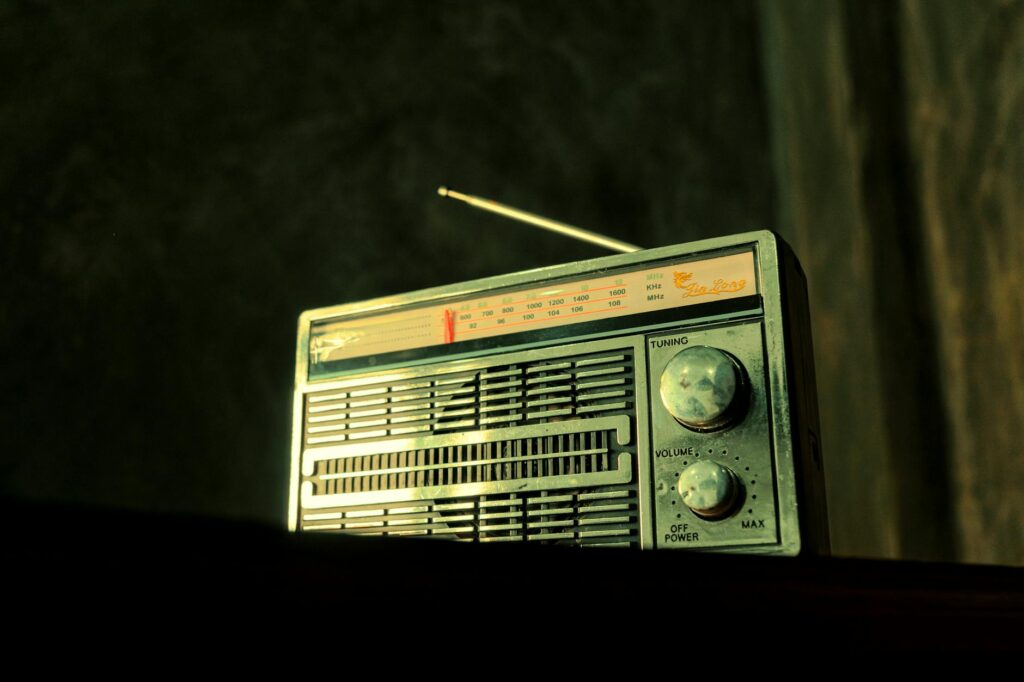
Rádiem, in essence, is the practical application and study of radio waves. Here are a type of electromagnetic radiation that fall within a specific part of the electromagnetic spectrum. We use rádiem for everything from tuning into your favorite AM/FM station to enabling the Wi-Fi signal that connects your devices. It’s the invisible force that powers much of our modern wireless world.
Think of it as the fundamental technology behind broadcasting and wireless communication. When we talk about rádiem, we’re discussing how these waves are generated, transmitted, received, and modulated to carry information. It’s a vast field, but at its heart, it’s about making signals travel through the air.
[IMAGE alt=”Diagram showing radio waves transmitting from a tower to a radio receiver” caption=”Rádiem involves the transmission and reception of radio waves.”]
Core Principles of Rádiem Explained
To truly master rádiem, you need to understand a few foundational concepts. These aren’t just theoretical. they directly impact how well your rádiem-based technologies perform.
- Frequency: This is the number of times a radio wave cycles per second, measured in Hertz (Hz). Different frequencies have different properties. for example, lower frequencies travel further but carry less data, while higher frequencies are better for high-bandwidth applications but have shorter ranges.
- Wavelength: This is the physical distance of one complete wave cycle. It’s inversely related to frequency – higher frequency means shorter wavelength, and vice versa.
- Modulation: This is the process of encoding information onto a radio wave. The two most common types are Amplitude Modulation (AM) and Frequency Modulation (FM). AM varies the wave’s amplitude (strength), while FM varies its frequency.
- Bandwidth: This refers to the range of frequencies a signal occupies or the data-carrying capacity of a communication channel. More bandwidth generally means more data can be transmitted simultaneously.
Where Do We See Rádiem in Action?
The reach of rádiem is extensive. You encounter it daily, often without realizing the underlying technology at play. Here are some key areas where rádiem is indispensable:
- Broadcasting: AM and FM radio stations are classic examples. Television broadcasting also relies heavily on rádiem.
- Telecommunications: Mobile phones, Wi-Fi, Bluetooth, and satellite communications all use rádiem to transmit voice and data wirelessly.
- Navigation: GPS (Global Positioning System) and other satellite navigation systems use radio signals to determine location.
- Radar: Used in aviation, meteorology, and defense, radar systems emit radio waves and interpret the reflections to detect objects and their movement.
- Medical Devices: Certain medical equipment, like MRI (Magnetic Resonance Imaging) machines, use radio frequency waves.
- Industrial Applications: Radio Frequency Identification (RFID) tags, used for inventory management and access control, are another common use.
In my experience over the past five years working with various wireless systems, understanding the specific application of rádiem within each of these areas is Key. For instance, the rádiem used for a short-range Bluetooth connection is vastly different from that used for long-distance satellite communication.
[IMAGE alt=”Collage of devices using radio waves: smartphone, Wi-Fi router, GPS device, radio antenna” caption=”Diverse applications of rádiem in everyday technology.”]
Avoiding Common Mistakes with Rádiem
While powerful, rádiem technology isn’t without its challenges. Being aware of common pitfalls can save you time, money, and frustration. Based on my observations, here are frequent missteps:
- Ignoring Interference: Other devices operating on similar frequencies can disrupt your signal. Here’s a huge issue in densely populated areas with many Wi-Fi networks.
- Incorrect Antenna Placement/Type: The antenna is Key for rádiem. Using the wrong type or placing it poorly can severely limit signal strength and range.
- Not Understanding Spectrum Regulations: Using certain radio frequencies without proper licensing can lead to legal issues and signal jamming. For example, amateur radio operators need licenses.
- Overlooking Signal Attenuation: Radio waves weaken over distance and can be blocked by physical objects like walls, water, and even dense foliage.
- Assuming All Devices are Equal: Devices designed for different rádiem applications (e.g., a cheap walkie-talkie vs. a professional radio system) have vastly different capabilities and limitations.
- Poor signal quality, dropped connections, and slow data speeds.
- Limited range and unreliable communication.
- Legal penalties, fines, or equipment confiscation.
- Reduced effectiveness and wasted transmission power.
- System failures and unmet operational needs.
Tips for Optimizing Your Rádiem Usage
Ready to get more out of your rádiem technologies? Here are some practical tips that can improve performance and reliability.
- Choose the Right Frequency Band: Select a frequency band appropriate for your needs. For example, 2.4 GHz Wi-Fi offers better range, while 5 GHz provides faster speeds but shorter range.
- Minimize Interference: Try to position your devices away from potential sources of interference, such as microwave ovens, cordless phones, and other wireless routers operating on the same channel. Use spectrum analyzers if available to identify and avoid congested channels.
- Optimize Antenna Configuration: Ensure your antennas are correctly oriented and unobstructed. For directional antennas, point them directly at the intended receiver. Consider using higher-gain antennas if range is a major concern.
- Understand Signal Strength and Quality: Monitor your signal strength. If it’s consistently low, consider repositioning your equipment, using a signal booster, or switching to a different frequency band.
- Keep Firmware Updated: For devices like routers and wireless adapters, regularly updating firmware can improve rádiem performance, security, and compatibility.
- Proper Grounding and Shielding: In industrial or sensitive environments, proper grounding and shielding can prevent unwanted rádiem emissions and susceptibility to external interference.
The global radio communication market is projected to grow from USD 1.5 trillion in 2023 to USD 2.3 trillion by 2028, at a Compound Annual Growth Rate (CAGR) of 8.9%, according to MarketsandMarkets. This growth highlights the increasing reliance on rádiem technologies across various sectors.
The Evolving world of Rádiem
The field of rádiem is constantly evolving. Innovations in antenna design, modulation techniques, and spectrum management are continually pushing the boundaries of what’s possible. We’re seeing advancements in areas like 5G and future 6G mobile networks — which use higher frequencies and more sophisticated rádiem techniques to deliver unprecedented speeds and connectivity.
Also, the drive towards more efficient use of the electromagnetic spectrum is leading to new technologies like software-defined radio (SDR) and cognitive radio. These systems can dynamically adjust their operating parameters to avoid interference and optimize spectrum usage. The future of rádiem promises even more integrated and intelligent wireless solutions.
Understanding these evolving trends is vital for anyone looking to stay ahead in technology. Whether you’re implementing a new wireless network or developing next-generation communication devices, keeping an eye on rádiem advancements is key. For more on spectrum management, the Federal Communications Commission (FCC) provides extensive resources on regulatory frameworks.
Frequently Asked Questions
what’s the difference between AM and FM rádiem?
AM (Amplitude Modulation) changes the strength of the radio wave to carry sound, while FM (Frequency Modulation) changes the wave’s frequency. FM generally offers better sound quality and is less susceptible to static than AM. Both are fundamental rádiem techniques.
Can rádiem signals be dangerous?
Radiofrequency (RF) energy emitted by rádiem devices is non-ionizing radiation. At typical exposure levels, scientific consensus indicates it isn’t harmful. Regulatory bodies like the FCC set limits to ensure public safety from excessive exposure.
How does Wi-Fi use rádiem?
Wi-Fi uses specific radio frequencies, typically 2.4 GHz and 5 GHz bands, to transmit data wirelessly between devices and a router. This rádiem communication allows for internet access and device-to-device communication without cables.
what’s the role of rádiem in satellite communication?
Rádiem is Key for satellite communication, enabling signals to travel between ground stations and orbiting satellites. These radio waves carry data for television, internet, and GPS services over vast distances.
How can I improve my rádiem signal reception?
Improving rádiem signal reception often involves repositioning antennas, reducing interference from other devices, using signal boosters, or upgrading to higher-gain antennas. Ensuring your device is tuned to the correct frequency is also essential.
Mastering Rádiem for Better Connectivity
Effectively utilizing rádiem is no longer just for engineers. it’s a practical skill that benefits everyone in our increasingly connected world. By understanding the core principles, avoiding common pitfalls, and implementing optimization strategies, you can enhance your wireless experiences. Keep exploring, keep learning, and embrace the power of rádiem.