
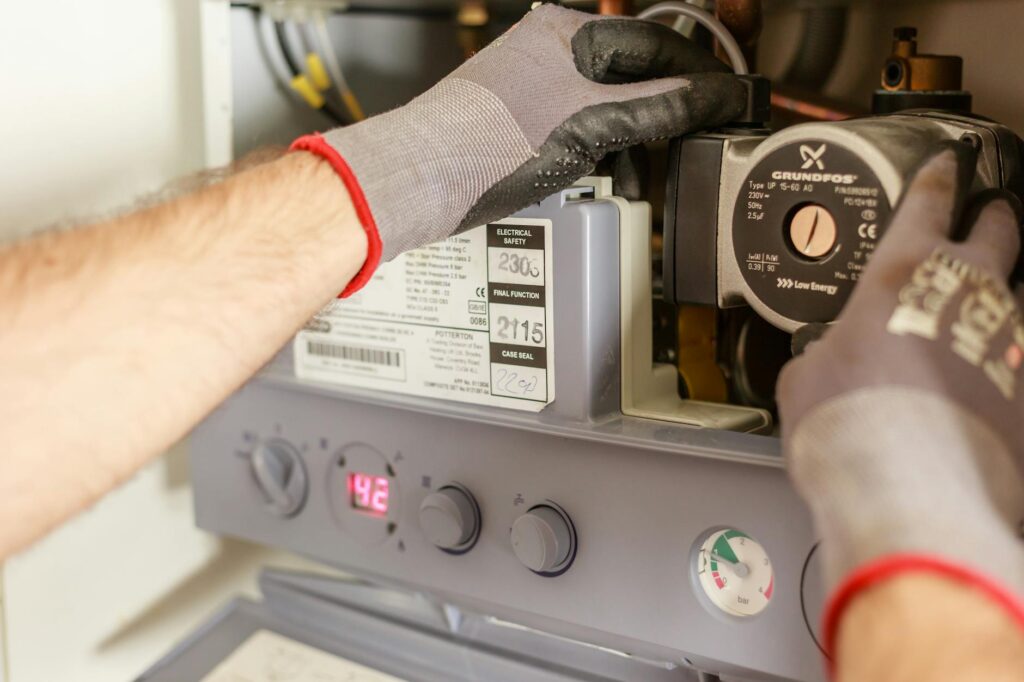
Interlock Error Codes: Your UK Guide to a Warm Home
Interlock error codes on your boiler or heat pump can be frustrating, but understanding them is the first step to a warm home. This guide breaks down common UK error codes and offers practical solutions, helping you get your heating back online quickly.
Featured Snippet Answer: Interlock error codes typically indicate a safety mechanism has triggered due to a fault within your central heating system, preventing operation. These codes, specific to boiler and heat pump manufacturers, signal issues like flame failure, ignition problems, or thermostat malfunctions, requiring professional diagnosis in most UK homes.
Last updated: April 2026
Table of Contents
- What Are Interlock Error Codes?
- Common Interlock Error Codes in the UK
- Diagnosing Your Interlock Fault: A Step-by-Step Approach
- When to Call a Professional Engineer
- Interlock Error Code Troubleshooting Tips
- Preventing Future Interlock Errors
- Frequently Asked Questions
What Are Interlock Error Codes?
Interlock error codes are essentially your boiler or heat pump’s way of telling you something isn’t right. Think of them as diagnostic messages. They appear when the appliance’s internal safety systems detect a problem that prevents it from operating correctly or safely. These ‘interlocks’ are crucial safety features designed to shut down the system if conditions are unsafe, such as if a flame fails to ignite or if the system overheats.
In the UK, most modern domestic heating systems, whether gas boilers (like those from Worcester Bosch or Baxi) or electric heat pumps, use these codes. They help homeowners and engineers pinpoint the exact issue without guesswork. Understanding these codes can save you time and money, especially if it’s a simple fix you can manage yourself.
The specific codes vary significantly between manufacturers. For instance, a Vaillant boiler might display ‘F28’ for an ignition fault, while a Glow-worm might use a different code for the same problem. Always refer to your appliance’s manual for the precise meaning of any error code displayed.
Common Interlock Error Codes in the UK
While each brand has its own unique codes, some underlying issues leading to interlock errors are quite common across the UK’s diverse range of heating systems. Here are a few prevalent scenarios:
Flame Failure: This is perhaps the most frequent cause. Your boiler ignites, but the flame doesn’t establish or goes out shortly after. This could be due to a faulty thermocouple, issues with the gas supply, or a blocked flue. Codes like Worcester Bosch’s ’10’ or Baxi’s ‘E133’ often relate to this.
Ignition Fault: The system tries to ignite the gas, but it fails to do so. This might indicate a problem with the ignition electrode, the gas valve, or the control board. Vaillant’s ‘F28’ or ‘F29’ often signify this type of fault.
Overheating: If the system’s temperature exceeds a safe limit, safety cut-outs engage, displaying an error. This can be caused by a faulty pump, closed valves, or low system pressure. An ‘Error 1’ on some Potterton boilers might indicate this.
Thermostat/Wiring Issues: A malfunctioning room thermostat or issues with the wiring connecting it to the boiler can cause the system to lock out. This is common if a thermostat has been recently replaced or if there’s a loose connection. Some Ideal boilers might show an ‘L’ code for thermostat faults.
Low System Pressure: Central heating systems need to operate within a specific pressure range. If the pressure drops too low (often below 1 bar), safety interlocks can trigger. This is usually indicated by a pressure gauge on the boiler itself. Many manufacturers use codes like ‘E09’ or a flashing red light.
Blocked Flue or Condensate Pipe: In modern condensing boilers, a blocked flue or condensate pipe (especially during winter freezes) can prevent safe operation and trigger an interlock error. Codes related to fan or air pressure issues often point to this.
🎬 Related Video
📹 interlock error codes — Watch on YouTube
Diagnosing Your Interlock Fault: A Step-by-Step Approach
Before you reach for the phone to call an engineer, there are a few basic checks you can perform. These simple steps can sometimes resolve the issue or at least help you provide better information to the professional.
- Check the Display: Note down the exact error code or flashing light sequence displayed on your boiler or heat pump.
- Consult Your Manual: Refer to your appliance’s user manual to understand what the specific code means. If you don’t have it, search online using the manufacturer and model number.
- Check System Pressure: Locate the pressure gauge on your boiler. For most UK systems, it should be between 1 and 1.5 bar when cold. If it’s too low, you may need to top up the system using the filling loop (refer to your manual for instructions).
- Reset the System: Most modern boilers have a reset button. Try pressing and holding this for a few seconds. Some systems may require a full power cycle (turn off at the mains switch, wait 30 seconds, then switch back on).
- Check Thermostat: Ensure your room thermostat is set to a temperature higher than the current room temperature and that it’s powered on. Check its batteries if it’s a wireless model.
- Inspect Visible Parts: For condensing boilers, check if the condensate pipe (a white plastic pipe usually exiting the boiler through an external wall) is frozen or blocked. Gently try to defrost or clear it if safe to do so.
- Can save you time and money if the issue is minor.
- Empowers you with knowledge about your heating system.
- Helps engineers diagnose the problem more efficiently.
Cons:
- Not all errors are user-fixable.
- Risk of causing further damage if done incorrectly.
- Some steps require basic technical understanding.
Common Issues & Their Meanings (Example Table)
| Manufacturer | Common Error Code | Potential Cause | Likely Solution |
|---|---|---|---|
| Worcester Bosch | ’10’ | Flame failure / Ignition fault | Check gas supply, ignition electrode, flue. |
| Vaillant | ‘F28’ | Ignition fault / Gas supply issue | Verify gas supply, ignition electrode, control unit. |
| Baxi | ‘E133’ | Flame detection fault | Check gas valve, ignition, flue sensor. |
| Ideal | ‘F1’ | Overheating / High limit fault | Check pump, system pressure, circulation. |
| Glow-worm | ‘0647090112’ | Ignition lockout | Check ignition system, gas valve. |
Note: This table provides general examples. Always consult your specific model’s manual for accurate code interpretation.
When to Call a Professional Engineer
While basic troubleshooting can be helpful, many interlock error codes indicate issues that require the attention of a Gas Safe registered engineer (in the UK) or a qualified heat pump technician. You should always call a professional if:
- You are uncomfortable performing any of the troubleshooting steps.
- The error code persists after attempting a reset.
- The problem involves gas supply, internal components like the gas valve or fan, or electrical faults.
- You suspect a carbon monoxide leak (leave the property immediately and call emergency services).
- Your appliance is still under warranty, and manufacturer guidelines require professional servicing.
A qualified engineer has the tools, knowledge, and certification to safely diagnose and repair complex issues. They can also perform essential safety checks, such as testing for carbon monoxide. For instance, if your boiler displays an ignition fault code, a professional will check the electrode, gas pressure, and ignition module to ensure everything is functioning correctly, adhering to standards set by bodies like The Health and Safety Executive (HSE).
In 2025, the UK’s Gas Safe Register reported that approximately 75% of boiler breakdowns leading to lockout were due to issues that could have been prevented by annual servicing.
This statistic highlights the importance of regular maintenance in preventing the kind of faults that trigger interlock error codes.
Interlock Error Code Troubleshooting Tips
Here are some practical tips for dealing with interlock error codes from a UK perspective:
- Know Your Model: Familiarise yourself with your boiler or heat pump’s make and model. This information is vital for finding the correct manual and for when you speak to an engineer.
- Document Everything: Write down the exact code, when it appears, and any symptoms you notice (e.g., strange noises, no hot water, heating not working).
- Check Your Warranty: If your appliance is relatively new, check if it’s still under warranty. Some manufacturers, like Worcester Bosch, offer extended warranties with regular servicing. Attempting DIY fixes might void it.
- Understand Boiler Pressure: Learn how to check and top up your boiler pressure. Over time, systems can lose a small amount of water, leading to low pressure. Your manual will show you how to use the filling loop safely.
- Be Wary of DIY Gas Work: Never attempt to repair gas components yourself. This is illegal and dangerous. Always use a Gas Safe registered engineer for any work on the gas supply or internal gas parts.
- Consider a Smart Thermostat: Smart thermostats, such as those from Nest or Tado°, can sometimes offer better diagnostics and remote control, potentially helping to identify or even resolve certain heating system faults.
Preventing Future Interlock Errors
The best way to deal with interlock error codes is to prevent them from happening in the first place. Regular professional servicing is key.
- Annual Servicing: Schedule an annual service for your boiler or heat pump with a qualified engineer. This ensures the system is running efficiently and safely, and allows potential issues to be caught early.
- Keep Vents Clear: Ensure any air vents or grilles related to your heating system are not blocked by furniture or other obstructions.
- Monitor Pressure: Keep an eye on your boiler’s pressure gauge periodically. If you frequently need to top it up, there might be a leak in the system that needs addressing.
- Flush the System: If you’re experiencing recurring issues, especially with older systems, consider a power flush. This removes sludge and debris that can impede circulation and cause faults.
Frequently Asked Questions
What does an interlock error mean on my boiler?
An interlock error means your boiler’s safety system has detected a fault and shut down the unit to prevent damage or unsafe operation. It’s a signal that something needs attention, ranging from low pressure to a more serious component failure.
Can I fix an interlock error myself?
Some simple issues, like low system pressure or a thermostat setting, can sometimes be resolved by the homeowner. However, most interlock errors indicate internal faults that require a qualified engineer to diagnose and repair safely.
How often should my boiler be serviced?
It’s recommended to have your boiler serviced annually by a Gas Safe registered engineer. This is crucial for safety, efficiency, and maintaining any manufacturer warranty.
What is the most common boiler error code in the UK?
While codes vary by brand, common issues leading to errors include ignition failure, flame loss, and overheating. Specific codes like Worcester Bosch ’10’ or Vaillant ‘F28’ are frequently encountered due to these underlying problems.
Does a frozen condensate pipe cause interlock errors?
Yes, a frozen condensate pipe is a common cause of lockout in modern condensing boilers, especially during colder months. It prevents the boiler from safely expelling waste water, triggering a safety interlock.
Get Your Heating Back Online
Encountering interlock error codes can be a stressful experience, especially during colder months in the UK. However, by understanding what these codes signify, performing basic checks, and knowing when to call a qualified professional, you can resolve most issues efficiently. Regular maintenance remains your best defence against unexpected breakdowns and costly repairs. Don’t let an interlock error leave you in the cold – take proactive steps to keep your home warm and safe.