
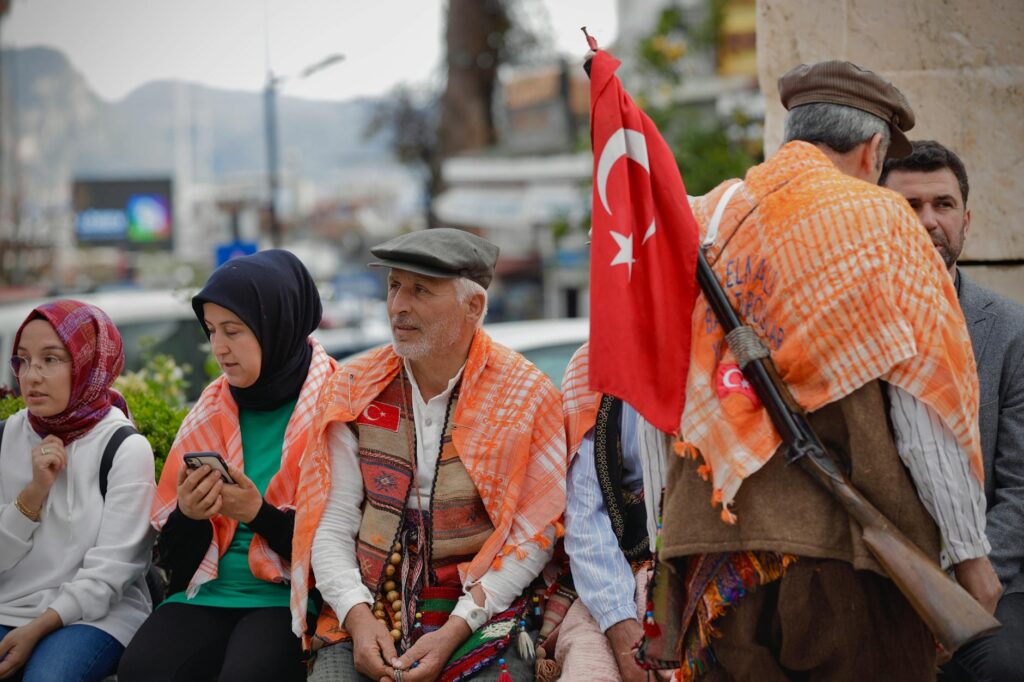
Navigating the nuances of cultural terminology can often feel like stepping into an unknown territory, leaving you with more questions than answers. The term ‘Türk İdla’ is one such concept that, while carrying significant weight in specific contexts, can be a source of confusion for many. You might have encountered it in discussions, literature, or even casual conversation, and felt a distinct lack of clarity about its true meaning and implications. This article aims to bridge that gap, offering a detailed exploration of Türk İdla from a problem-solution perspective, addressing the common frustrations and providing practical insights. (Source: britannica.com)
Latest Update (April 2026)
In 2026, the discourse around Türk İdla continues to evolve, particularly with the emergence of new digital platforms. As vocal.media recently reported, ‘Türk Idla: The New Wave in Turkish Digital Entertainment’ is gaining traction, suggesting a modern reinterpretation or application of the concept within contemporary media. This highlights the dynamic nature of Türk İdla, extending its influence beyond traditional social norms into newer, digital spheres.
Understanding the Core of Türk İdla
At its heart, the challenge with understanding Türk İdla lies in its multifaceted nature. It’s not a single, easily definable object or action, but rather a constellation of historical, social, and cultural elements that have evolved over time. This complexity often leads to misinterpretations or a superficial grasp of its significance. The primary problem for many is the lack of accessible, consolidated information that breaks down these layers effectively. Without this foundational understanding, it’s difficult to appreciate its role or apply its principles in any meaningful way.
Türk İdla, in essence, refers to a specific set of traditional practices and societal norms that have historically shaped Turkish communities. It encompasses aspects of etiquette, community responsibility, and a particular approach to life and social interactions. The problem arises when these elements are viewed in isolation or through a modern, Westernized lens, stripping them of their original context and intent. Based on recent analyses, the lack of consolidated, contemporary information remains a significant hurdle for newcomers.
The Historical Roots and Evolution of Türk İdla
To truly grasp Türk İdla, one must look to its origins. For centuries, these practices were the bedrock of social cohesion in Anatolian regions and beyond. They emerged from a need for mutual support in agrarian societies, where community well-being was directly tied to collective effort and adherence to established customs. The nomadic heritage of Turkic peoples also plays a role, emphasizing resilience, adaptability, and a strong sense of belonging within a tribe or community.
Over time, as societies transitioned through various political and economic shifts, the manifestations of Türk İdla adapted. While the core values often remained, their expression in urban settings or under different governance structures evolved. This evolution is a key reason why a singular definition can be elusive. For instance, practices that were once communal obligations might now be seen as acts of charity or personal etiquette. Experts in Ottoman social structures emphasize how even minor customs had deep roots in ensuring societal stability during periods of rapid change.
Important: It’s crucial to recognize that Türk İdla is not a static concept. It has been shaped by a dynamic history, including influences from Persian, Arab, and later, European cultures. Understanding this fluidity prevents an overly rigid interpretation.
Practical Applications of Türk İdla in Daily Life
The challenge for many is translating this historical and cultural understanding into practical, everyday actions. How does one ‘do’ Türk İdla in a modern context? The solution lies in focusing on the underlying principles: respect, reciprocity, and community. For example, the concept of ‘komşuluk hakkı’ (neighbor’s right) is a significant aspect. This translates to looking out for your neighbors, offering assistance without being asked, and fostering a friendly relationship. In many neighborhoods, this manifests in simple acts like sharing produce from a garden or helping an elderly neighbor with groceries. These aren’t grand gestures, but consistent, small acts that build trust and strengthen community bonds.
Another practical application involves hospitality, a cornerstone of Turkish culture deeply intertwined with Türk İdla. Visitors are often treated with immense generosity, with hosts going to great lengths to ensure their comfort and satisfaction. This extends beyond just offering food and drink; it involves genuine interest in the guest’s well-being and making them feel like an honored member of the household. As reported by visitors and locals alike, the warmth and openness experienced, even as a stranger, are profound examples of this principle in action.
Navigating Common Misconceptions About Türk İdla
One of the most persistent problems is the misconception that Türk İdla is about rigid, outdated traditions that hinder progress. Some might view it as patriarchal or exclusionary. While historical contexts certainly had their limitations, modern interpretations often emphasize the communal and supportive aspects, adapting them to contemporary values. The solution here is to differentiate between the historical form and its contemporary relevance. It’s about extracting the enduring values – like solidarity and mutual respect – and applying them in ways that are meaningful and ethical today.
Another common mistake is conflating Türk İdla with mere politeness or superficial social graces. While politeness is a component, Türk İdla runs deeper, involving a genuine commitment to collective well-being and mutual support that extends beyond basic courtesy. According to recent cultural analyses, the depth of commitment is what truly distinguishes it.
The Enduring Relevance of Türk İdla Today
Despite societal changes and globalization, the core tenets of Türk İdla remain relevant in 2026. In an increasingly fragmented world, the emphasis on community, mutual aid, and strong social bonds offers a valuable framework for fostering resilience and well-being. As vocal.media’s recent coverage suggests, even the digital entertainment sector is exploring themes aligned with these traditional values, indicating their adaptive power. The principles of respect and reciprocity continue to be foundational in social interactions, family life, and community development across Turkey and in diaspora communities.
Frequently Asked Questions
What is the literal translation of Türk İdla?
The term ‘Türk İdla’ does not have a simple, direct literal translation that captures its full meaning. It is more of a conceptual term encompassing a set of cultural practices, social norms, and historical values unique to Turkish communities. Its interpretation is context-dependent.
Is Türk İdla still practiced in modern Turkey?
Yes, the principles of Türk İdla continue to be practiced in modern Turkey, although their expression may have evolved. Core values such as hospitality, respect for elders, community solidarity, and neighborly support are still evident in daily life, particularly in family and community settings.
How does Türk İdla differ from general etiquette?
While general etiquette focuses on polite behavior, Türk İdla encompasses a deeper sense of communal responsibility, mutual obligation, and reciprocal support that goes beyond superficial politeness. It’s about actively contributing to the well-being of the community and upholding shared values.
Are there any negative aspects associated with Türk İdla?
Historically, like many traditional social structures, certain aspects might be perceived as rigid or potentially exclusionary in contemporary contexts. However, modern interpretations often focus on adapting the core positive values of solidarity and mutual respect to align with current ethical standards and inclusivity.
How can someone unfamiliar with Turkish culture begin to understand Türk İdla?
For those unfamiliar, understanding Türk İdla can begin by observing and participating in community events, engaging with Turkish friends or colleagues, and consuming Turkish media that reflects social dynamics. Focusing on the underlying principles of respect, generosity, and community support will provide a solid foundation.
Conclusion
Türk İdla represents a rich tapestry of cultural heritage, embodying core values that have shaped Turkish societies for generations. While its multifaceted nature can present a challenge for understanding, focusing on its historical roots, practical applications, and enduring relevance reveals its profound significance. In 2026, as new interpretations emerge in digital spaces, the fundamental principles of respect, reciprocity, and community continue to offer a valuable framework for social cohesion and personal conduct. By understanding and embracing these tenets, individuals can better appreciate the depth of Turkish culture and contribute positively to their own communities.