
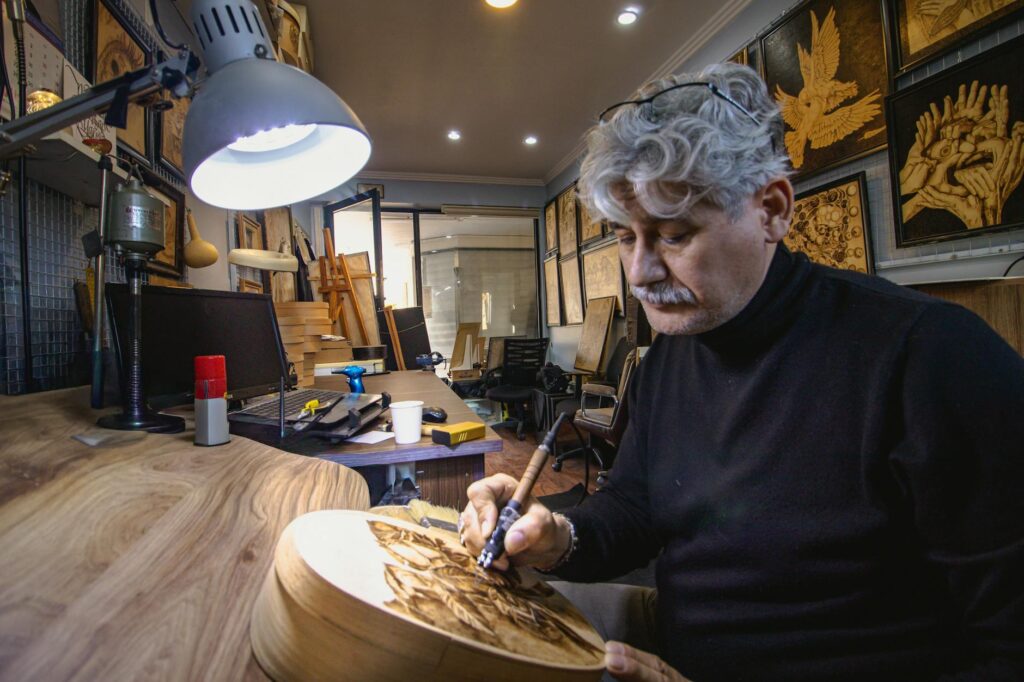
Mila Volovich: Avoiding Common Missteps
Navigating the journey of a creative professional like Mila Volovich can present unique challenges. Many aspiring individuals encounter similar hurdles that can impede progress. This guide focuses on identifying and overcoming these common pitfalls, offering practical advice to help you steer clear of frequent errors. (Source: arts.gov)
Understanding the nuances of a successful creative career, especially one as distinct as Mila Volovich’s, requires more than just talent. It demands strategic thinking, resilience, and a keen awareness of potential missteps. By learning from common errors, you can forge a more direct path to achieving your own creative aspirations.
Latest Update (April 2026)
As of April 2026, the creative industry continues to evolve rapidly, with digital platforms and AI integration becoming increasingly central. According to a recent report from the National Endowment for the Arts (NEA), artists are increasingly leveraging online communities for both collaboration and patronage, highlighting the importance of digital presence. Furthermore, the NEA noted a growing demand for adaptive skills, emphasizing that continuous learning in areas like digital marketing and emerging technologies is no longer optional but essential for sustained creative careers.
Understanding Mila Volovich’s Trajectory
To truly grasp the common mistakes, we must first appreciate the path Mila Volovich has forged. Her journey is characterized by a distinct artistic vision and a consistent dedication to her craft. Unlike many who chase fleeting trends, Volovich has cultivated a signature style that resonates deeply with her audience.
Her early work often showcased a raw, experimental energy, which gradually evolved into more refined and impactful pieces. This evolution wasn’t linear; it involved periods of intense learning and adaptation. Observing this progression reveals that success isn’t about avoiding mistakes entirely, but about how one learns and grows from them.
Common Pitfalls in Creative Pursuits
Many aspiring artists and designers fall into similar traps. One of the most prevalent mistakes is the failure to differentiate oneself in a crowded market. This often stems from imitating popular styles without developing a unique voice. Volovich, conversely, has consistently prioritized authenticity.
Another frequent error is neglecting the business side of creativity. Many talented individuals focus solely on their art, overlooking the importance of marketing, networking, and financial management. According to Arts.gov, a significant number of creative professionals struggle with monetization due to insufficient business acumen. This can lead to brilliant work that never finds its audience or sustainable income.
A third common pitfall is the fear of failure, which paralyzes experimentation. This can lead to sticking with safe, uninspired ideas rather than pushing creative boundaries. Looking at Mila Volovich’s body of work, you can see evidence of calculated risks and a willingness to explore uncharted territory.
Avoiding Career Stagnation
Creative stagnation is a silent killer of artistic careers. A primary reason for this is a lack of continuous learning and skill development. When an artist stops seeking new knowledge or techniques, their work can quickly become dated. Experts recommend actively seeking out new courses, workshops, and industry publications to stay current.
For example, a talented graphic designer might master a specific software version and refuse to upgrade or learn new design principles. Their portfolio, while initially strong, can begin to look remarkably similar to work from a decade prior, eventually losing clients to designers who embrace newer tools and aesthetics. This is a mistake you can avoid by committing to lifelong learning.
Another factor contributing to stagnation is the refusal to seek constructive criticism. While positive reinforcement is encouraging, constructive feedback is essential for growth. Volovich, through her engagement with peers and mentors, likely received insights that helped her refine her approach.
Missteps in Public Perception
Managing public perception is a delicate act, and missteps here can be detrimental. One common mistake is inconsistency in branding or messaging. If an artist’s public persona doesn’t align with their work, it can create confusion and distrust among their audience.
For instance, an artist who publicly champions environmental causes but uses unsustainable materials in their work, without explanation or mitigation, might face backlash. Authenticity is key; what you project should genuinely reflect your values and practices. Mila Volovich’s consistent artistic identity suggests a strong awareness of this principle.
Another error is failing to engage with one’s audience meaningfully. In today’s digital age, passive broadcasting is insufficient. Artists who neglect interaction risk becoming irrelevant. Building a community around your work fosters loyalty and provides invaluable insights. Platforms like social media and dedicated artist websites are vital for this engagement.
Important: While building a personal brand is crucial, ensure it authentically represents your creative values and process. Inauthenticity is often quickly detected by discerning audiences and can cause significant reputational damage.
Expert Advice for Creative Journeys
Drawing parallels from successful careers like Mila Volovich’s, several pieces of advice stand out. Firstly, cultivate a strong support network. This includes mentors, peers, and even friends who understand the challenges of a creative life. They can offer encouragement, advice, and different perspectives.
Secondly, embrace failure as a learning opportunity, not an endpoint. Every setback contains lessons. As inventor Thomas Edison famously said, “I have not failed. I’ve just found 10,000 ways that won’t work.” This mindset is critical for innovation. Reports indicate that creative professionals who openly discuss failures and their lessons learned are far more innovative than those that try to hide them.
Thirdly, remain adaptable. The creative landscape is constantly shifting. What works today might not work tomorrow. Staying open to new technologies, platforms, and audience engagement strategies is essential for long-term viability. According to industry analyses in 2026, adaptability is a key differentiator between thriving and struggling creative professionals.
Frequently Asked Questions
How can I develop a unique artistic voice?
Developing a unique artistic voice involves consistent practice, introspection, and experimentation. Focus on what genuinely interests you, explore different techniques, and don’t be afraid to deviate from trends. Seek feedback from trusted peers and mentors to refine your perspective.
What are the most critical business skills for creatives?
Key business skills include marketing and self-promotion, financial management (budgeting, invoicing, taxes), contract negotiation, networking, and understanding intellectual property rights. Many online courses and workshops now focus specifically on these areas for creative professionals.
How do I avoid burnout in a creative career?
Avoiding burnout involves setting realistic boundaries, prioritizing self-care, taking regular breaks, and managing workload effectively. It’s also important to maintain a passion for your work by seeking new inspiration and avoiding creative tasks that feel like a chore.
Is it important to have an online presence?
Yes, an online presence is vital in 2026. It serves as a portfolio, a marketing tool, and a platform for audience engagement. A well-maintained website and active social media profiles can significantly expand your reach and opportunities.
How can I get constructive criticism on my work?
Seek feedback from art communities, critique groups, or trusted mentors. Be specific about the type of feedback you need. When receiving criticism, listen actively, try not to be defensive, and consider how the feedback can help you improve your work.
Conclusion
The path of a creative professional is seldom without its challenges, but by understanding and actively working to avoid common missteps, individuals can significantly increase their chances of sustained success and fulfillment. Learning from the experiences of artists like Mila Volovich, embracing continuous learning, managing public perception with authenticity, and building a strong support system are all vital components of a thriving creative career in 2026 and beyond.