
Modern Mindbody: Budget-Friendly Wellness Strategies
You don’t need a fortune to cultivate a thriving modern mindbody. The pursuit of mental clarity, emotional balance, and physical vitality can be achieved through accessible and budget-conscious approaches. This guide is designed to help you integrate effective wellness practices into your life without straining your finances, proving that complete health is within everyone’s reach.
Last updated: April 2026
Table of Contents
- what’s a Modern Mindbody on a Budget?
- How to Achieve Cost-Effective Mental Wellness?
- Budget-Friendly Physical Fitness for Your Mindbody
- Smart Nutrition Hacks for a Modern Mindbody on a Budget
- using Digital Tools for Affordable Wellbeing
- Community and Connection on a Dime
- Frequently Asked Questions
- Your Budget Wellness Journey Starts Now
what’s a Modern Mindbody on a Budget?
A modern mindbody approach integrates mental, emotional, and physical health, recognizing their interconnectedness. When approached on a budget, it means finding value-driven ways to nurture these aspects of yourself without overspending. It’s about smart choices that yield significant returns in well-being, prioritizing sustainability and accessibility over luxury.
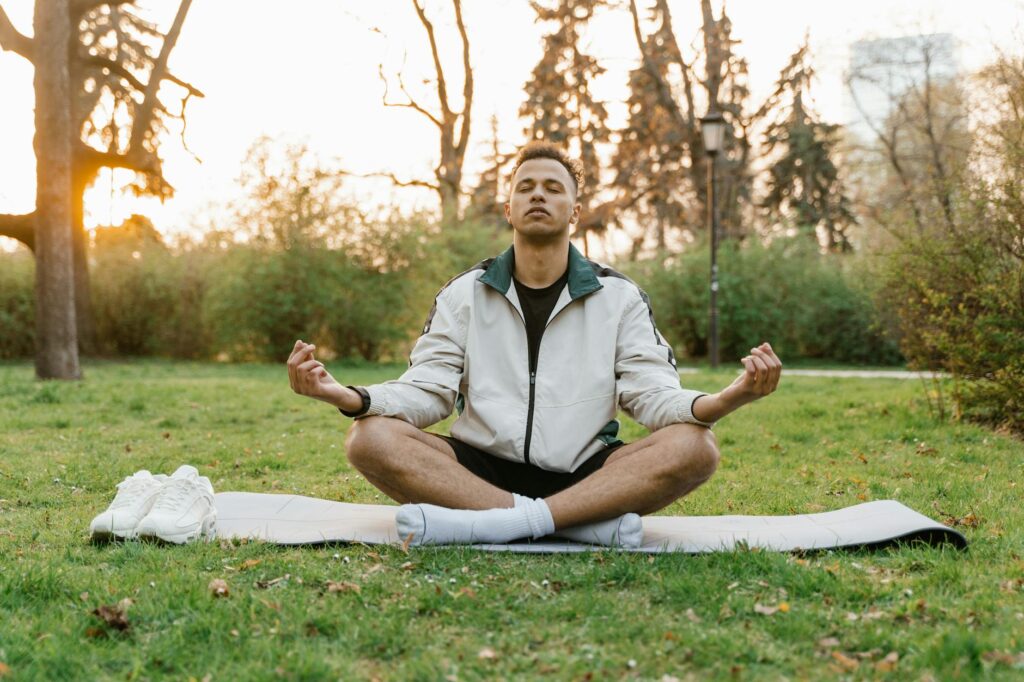
Instead of costly gym memberships or expensive retreats, think about how you can weave wellness into your daily routine using free or inexpensive resources. This might involve daily walks in nature, simple home-based yoga flows, or learning mindfulness techniques through readily available online content. The core principle is to maximize the impact of every dollar spent on your health.
How to Achieve Cost-Effective Mental Wellness?
Mental wellness is foundational to a modern mindbody, and thankfully, many effective strategies cost very little. The key is to build resilience and manage stress through practices that are both accessible and impactful. This involves understanding what truly nourishes your mind and finding affordable avenues to access it.
Mindfulness and Meditation: Apps like Insight Timer offer thousands of free guided meditations. Even dedicating 5-10 minutes daily to quiet reflection or deep breathing can reduce anxiety and improve focus. A simple Google search for ‘free guided meditation’ will yield numerous options. The University of Minnesota’s Earl E. Bakken Center for Spirituality &. Healing offers free guided meditations and resources.
Journaling: A simple notebook and pen can be powerful tools for processing thoughts and emotions. Dedicate a few minutes each day to write down your feelings, gratitude, or reflections. This practice costs next to nothing but can offer profound insights into your mental state.
Nature Therapy: Spending time outdoors, even just a walk in a local park, has proven benefits for mental health. It’s free, accessible, and can reduce stress hormones. Look for green spaces in your community – they’re often underused gems for budget wellness.
🎬 Related Video
📹 modern mindbody — Watch on YouTube
Budget-Friendly Physical Fitness for Your Mindbody
Physical health is inextricably linked to mental clarity and emotional balance. You can absolutely achieve a strong, healthy body without expensive gym memberships. The focus shifts to functional movements, community resources, and utilizing what’s available to you.
Bodyweight Exercises: Exercises like squats, lunges, push-ups, and planks require no equipment and can be done anywhere. You’ll find countless free workout videos available on platforms like YouTube, from channels like FitnessBlender or HASfit, offering structured routines for all levels.
Walking and Running: These are perhaps the most accessible forms of exercise. Explore your local parks and trails. Many cities also offer free outdoor fitness equipment in public spaces. A good pair of running shoes is an investment, but it’s a one-time purchase that unlocks years of activity.
Community Resources: Check with your local library or community center. Many offer free or low-cost fitness classes, from yoga to dance. Sometimes, local parks and recreation departments have affordable sports leagues or group fitness programs.
| Activity | Estimated Cost | Benefit |
|---|---|---|
| Bodyweight Training | Free | Builds strength, improves endurance |
| Outdoor Running/Walking | Free (plus optional shoes) | Cardiovascular health, stress relief |
| Community Yoga Class | $5 – $15 per class (or free) | Flexibility, stress reduction, strength |
| Park Fitness Equipment | Free | Full-body workout, fresh air |
Smart Nutrition Hacks for a Modern Mindbody on a Budget
Fueling your body and mind doesn’t have to drain your wallet. Smart grocery shopping and meal planning can make a significant difference in both your health and your budget. The goal is nutrient-dense foods that provide sustained energy and support cognitive function.
Meal Planning: This is arguably the most effective cost-saving strategy. Plan your meals for the week, check your pantry for existing ingredients, and create a precise shopping list. This prevents impulse buys and food waste. Websites like Budget Bytes offer fantastic recipes and meal prep guides.
Cook at Home: Eating out or ordering takeout is more expensive than cooking. Dedicate time to prepare your own meals. Batch cooking on weekends can save time during busy weekdays.
Focus on Staples: Base your meals around affordable, nutrient-rich staples like beans, lentils, oats, rice, seasonal vegetables, and eggs. Here are versatile and provide essential nutrients without high costs.
Buy in Bulk (Wisely): Non-perishable items like rice, oats, and dried beans are often cheaper when bought in bulk. Just ensure you have adequate storage and will use them before they expire.
According to the USDA’s Economic Research Service, the average cost of a healthy diet in the US can range from $2.50 to $4.00 per person per day, emphasizing that healthy eating is achievable on a budget. (Source: USDA ERS, 2023 data)
using Digital Tools for Affordable Wellbeing
The digital age offers a wealth of resources for maintaining your modern mindbody without hefty price tags. From tracking your progress to accessing expert advice, technology can be your ally.
Free Wellness Apps: Beyond meditation apps, explore options for habit tracking (like Loop Habit Tracker), sleep monitoring (many phones have built-in features), or even mood journaling. These tools help you stay accountable and understand your patterns.
Online Courses and Workshops: Platforms like Coursera, edX, and even YouTube offer free or low-cost courses on topics ranging from stress management to nutrition. Many universities also provide free access to lectures and research papers online.
Podcasts: Numerous podcasts explore mental health, fitness, and personal development. they’re a fantastic way to learn from experts and gain new perspectives during commutes or chores. Search for shows like ‘The Happiness Lab’ or ‘Huberman Lab’ for science-backed insights.
can be overwhelming, but starting with free trials and focusing on simplicity can lead to discovering valuable resources that fit your budget.
Community and Connection on a Dime
Social connection is a vital component of a healthy mindbody, and it doesn’t require expensive outings. Building and maintaining relationships can be done through low-cost or free activities.
Local Meetup Groups: Platforms like Meetup.com host groups for almost any interest imaginable, often with free or very low-cost events. Look for hiking groups, book clubs, or volunteer organizations.
Volunteer: Giving back to your community is a powerful way to feel connected and purposeful. Many non-profits are always looking for help, and it’s a great way to meet like-minded people. Consider organizations like the National Park Service for conservation efforts.
Potlucks and Home Gatherings: Instead of expensive restaurant meals, organize potlucks with friends or family. This shares the cost and effort while building a sense of community.
Online Communities: Engage in forums or social media groups related to your interests. While not a replacement for in-person interaction, these can provide support and a sense of belonging.
Connecting with others combats isolation, a known detriment to mental and physical health. Prioritizing these connections, even on a budget, is an investment in your overall well-being.
[IMAGE alt=”Group of diverse people smiling and participating in a community garden activity” caption=”Community involvement builds a strong mindbody connection.”]
Frequently Asked Questions
Is it really possible to achieve a modern mindbody without spending a lot of money?
Absolutely. A modern mindbody focuses on complete integration of mental, emotional, and physical health. Many effective practices, like mindful walking, bodyweight exercises, and journaling, are free or very low-cost, proving that significant wellness gains are accessible without high expenses.
What are the cheapest ways to improve mental clarity?
The cheapest ways involve simple, consistent habits. Practicing daily mindfulness or meditation using free apps like Insight Timer, journaling in a notebook, spending time in nature, and ensuring adequate sleep are highly effective and cost nothing but your time and attention.
Can I get fit on a budget without a gym?
Yes, definitely. Bodyweight exercises require no equipment, and activities like running or walking are free. Many public parks offer free fitness equipment, and community centers often host affordable fitness classes. YouTube provides a vast library of free workout routines.
What are some budget-friendly superfoods for brain health?
Affordable superfoods for brain health include blueberries (when in season or frozen), eggs, oats, lentils, beans, and certain seeds like flax or chia. Buying seasonal produce and cooking from scratch makes nutrient-dense eating much more budget-friendly.
How can I find affordable wellness resources in my local area?
Check your local library for wellness books or workshops, community centers for low-cost classes, and parks for free fitness equipment or trails. Look for local Meetup groups focused on health and wellness activities, or explore volunteer opportunities that build connection.
Your Budget Wellness Journey Starts Now
Building a vibrant, modern mindbody is an achievable goal, regardless of your financial situation. By focusing on value, consistency, and using accessible resources, you can cultivate profound well-being. Start small, celebrate your progress, and remember that the most impactful wellness practices are often the simplest and most sustainable. Your journey to a healthier, happier you begins with these smart, budget-conscious choices.