
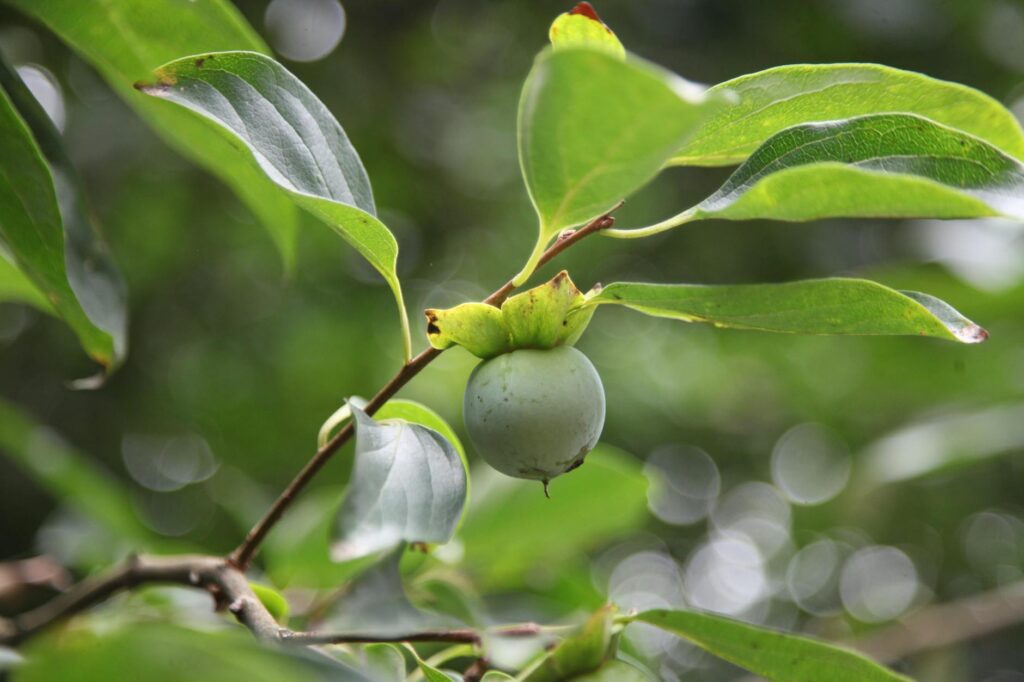
Eating Unripe Persimmons Safely & Smartly
Eating unripe persimmons can lead to an intensely puckering, astringent experience due to high tannin levels. While generally not harmful in small quantities, risks and preparation methods is key to avoiding unpleasantness and potentially unlocking unique culinary possibilities. This guide dives deep into the nuances of consuming persimmons before they reach peak ripeness, offering insights for the experienced palate seeking to explore beyond the obvious.
Last updated: April 18, 2026
Table of Contents
What Makes Eating Unripe Persimmons a Challenge?
The primary culprit behind the unpleasant sensation of eating unripe persimmons is a high concentration of soluble tannins. Here are naturally occurring compounds found in many plants, but in unripe persimmons, they bind to proteins in your saliva. This binding action causes a drying, puckering, and sometimes even a chalky sensation in your mouth, often described as extreme astringency. It’s a defense mechanism by the plant to deter animals from eating the fruit before it’s ripe and its seeds are viable.
Think of it like biting into a very strong black tea or an unpolished walnut. the sensation is similar, but amplified. The intensity of this astringency is directly proportional to the tannin content — which is highest in immature fruit and decreases as the persimmon ripens and softens.
Taste and Texture Differences: Ripe vs. Unripe
The transformation from unripe to ripe persimmon is dramatic, affecting both flavor and texture. An unripe persimmon, beyond its astringency, offers little in terms of sweetness or complex flavor. Its texture is firm, almost crisp, and dense, similar to an apple but with a mouthfeel that quickly becomes unpleasant due to the tannins.
Conversely, a ripe persimmon, especially non-astringent varieties, becomes incredibly sweet, with notes that can range from honey and apricot to subtle spice. The texture softens considerably, becoming jelly-like, custardy, and incredibly smooth. Astringent varieties, like the Hachiya, will become so soft they’re almost liquid inside when fully ripe, offering a rich, syrupy sweetness without any hint of puckering.
[IMAGE alt=”Comparison of a firm, green unripe persimmon next to a soft, orange ripe persimmon” caption=”The stark difference in appearance and texture between unripe and ripe persimmons.”]
🎬 Related Video
📹 eating unripe persimmons — Watch on YouTube
Risk Factors and Safety When Eating Unripe Persimmons
While eating an unripe persimmon won’t typically cause serious harm, it’s far from a pleasant experience. The primary risk is the intense astringency itself — which can be quite uncomfortable and lead to a feeling of dryness and puckering that lingers. For most people, a single bite is enough to deter further consumption.
However, in rare cases, consuming large quantities of unripe persimmons, especially those with extremely high tannin content, has been linked to the formation of bezoars. A bezoar is a solid mass of undigested material that can accumulate in the stomach or intestines, potentially causing blockages. Here’s more commonly associated with specific types of persimmons and significant overconsumption, especially when eaten on an empty stomach. The risk is considered low for typical consumption patterns, but it’s a Key detail for anyone experimenting with unripe fruit.
The risk of persimmon bezoars, while rare, is directly correlated with the consumption of unripe fruit high in tannins, especially when eaten on an empty stomach. Studies, such as those published in the Journal of Clinical Gastroenterology, have documented such cases, emphasizing the importance of ripeness.
Methods to Reduce Astringency in Unripe Persimmons
Fortunately, there are several effective methods to reduce or eliminate the astringency in unripe persimmons, making them palatable. These techniques use chemistry and time to break down or neutralize the soluble tannins.
| Method | Description | Effectiveness | Time Required |
|---|---|---|---|
| Freezing | Place whole, unripe persimmons in the freezer. The ice crystals formed break down cell walls, altering tannin structure. | High | Several hours to overnight |
| Drying (Koshian) | Peel and sun-dry or dehydrate the persimmons. This concentrates sugars and alters tannins. | Very High | Several days to weeks |
| Carbon Dioxide/Alcohol Treatment | Expose fruit to controlled CO2 or ethanol vapor in an airtight container. Here’s a commercial method. | Very High | Several days |
| Soaking in Water/Brine | Submerge fruit in cold water or a light saltwater solution. | Moderate | 24-72 hours, changing water daily |
| Ripening with Ethylene Gas | Place unripe persimmons in a paper bag with bananas or apples. The released ethylene gas aids ripening. | Moderate (for softening, less for astringency) | Several days |
The freezing method is perhaps the most accessible for home users. Simply place firm, unripe persimmons in your freezer. Once thawed, the texture will be very soft and jelly-like, and the astringency will be reduced, if not entirely gone. Drying persimmons, a traditional method resulting in ‘kaki’ or ‘koshian’, also effectively removes astringency and creates a chewy, sweet treat.
Which Persimmon Varieties Can You Eat Unripe?
Not all persimmons are created equal non-astringent types like Fuyu persimmons are bred to be eaten firm and ripe, and even a slightly unripe Fuyu can be unpleasantly astringent.
Astringent varieties, such as Hachiya, Tamopan, and Saijo, are the ones that possess the high tannin levels when unripe. Here are the varieties that benefit most from the astringency-reducing methods described above. If you’re considering eating a persimmon that’s still firm and has a distinct green or pale orange hue, it’s almost certainly an astringent type, and you should proceed with caution or employ one of the treatment methods.
[IMAGE alt=”A pile of Hachiya persimmons, some appearing firm and green-orange, others softer and darker” caption=”Hachiya persimmons are a prime example of an astringent variety that requires ripening.”]
specific variety you have is Key. For instance, a Fuyu persimmon is typically flattened and squat, while a Hachiya is more acorn-shaped. If you’re unsure, err on the side of caution and assume it needs to ripen fully, or use an astringency-reduction technique.
Culinary Applications for the Adventurous Eater
For those who appreciate the challenge and the unique qualities of less-ripe fruit, there are intriguing culinary avenues to explore when eating unripe persimmons, provided the astringency is managed. Once treated to remove tannins, the firm, slightly less sweet flesh can offer a different textural experience compared to fully ripe fruit.
Consider using treated unripe persimmons in dishes where their firm texture can be an advantage. They can be diced and added to salads for a crisp, slightly tart element, or incorporated into chutneys and relishes where their structure will hold up well during cooking. Their lower sugar content before full ripening can also be beneficial in savory applications.
Another interesting application is in fermented products. The lower sugar content and firm texture of treated unripe persimmons might lend themselves to unique fermentation projects, though this is a more experimental area. The key is to ensure the tannins are neutralized first, as they can interfere with fermentation processes and, more importantly, with palatability.
Remember, the goal isn’t to eat them straight off the tree if they taste intensely bitter and astringent. It’s about fruit’s chemistry and using methods to transform its less desirable traits into something culinary interesting. For instance, I once experimented with dicing Hachiya persimmons that were still firm but had been soaked in water for 48 hours. The astringency was reduced enough to make them edible in a salsa with chili and lime, offering a surprisingly pleasant, firm texture that held its own against the other ingredients.
The entities involved in persimmon cultivation and research include the University of California, Davis — which has extensive research on fruit varieties and their properties. Also, organizations focused on agricultural science often publish findings related to fruit chemistry and ripening processes.
Frequently Asked Questions
Can you get sick from eating unripe persimmons?
While generally not poisonous, eating unripe persimmons can cause significant discomfort due to intense astringency. In rare instances of consuming very large quantities, bezoars could form, leading to digestive blockages, but this is uncommon with typical consumption.
How long does it take for unripe persimmons to become edible?
This depends on the variety and method. Natural ripening can take weeks. Treating them, like freezing or soaking, can make them palatable within hours to days, altering their tannin content effectively.
What does unripe persimmon taste like?
Unripe persimmons taste intensely astringent, causing a strong puckering sensation in the mouth. They lack sweetness and have a firm, sometimes chalky texture, making them largely unpalatable in their raw, untreated state.
Are Fuyu persimmons astringent when unripe?
Yes, Fuyu persimmons, though non-astringent when ripe and firm, can still exhibit noticeable astringency if picked and eaten before fully ripe. While typically less severe than astringent varieties, it’s best to ensure Fuyus are ripe before consumption.
Can I eat the skin of an unripe persimmon?
The skin of an unripe persimmon contains tannins, just like the flesh. If the fruit is unpleasantly astringent, the skin will contribute to that sensation. It’s generally recommended to eat ripe persimmons with or without the skin, depending on personal preference and variety.
In the end, the decision to explore eating unripe persimmons is one for the adventurous palate. By role of tannins, the differences between varieties, and employing effective reduction methods, you can safely navigate this unique aspect of fruit consumption. Remember to always prioritize safety and manage expectations regarding flavor and texture when dealing with fruit that hasn’t reached its full potential.
Source: FDA
Editorial Note: This article was researched and written by the Bly Sky Builders editorial team. We fact-check our content and update it regularly. For questions or corrections, contact us.