
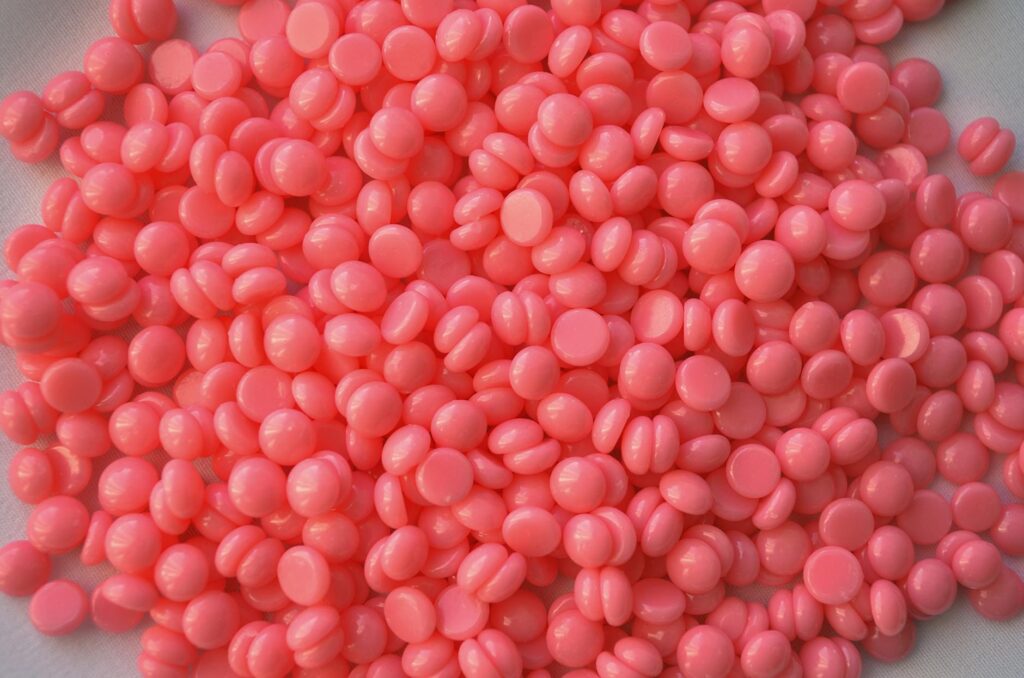
Wat Wax? Your Essential 2026 Guide to Waxes
Ever found yourself staring at a product label or a craft supply list, utterly bewildered by the mention of ‘wat wax’? It’s a common point of confusion, like trying to decipher a secret code. You see it in everything from grandmother’s furniture polish recipes to the latest candle-making kits, and yet, a clear understanding of what ‘wax’ truly is and its myriad applications often remains elusive. This article is here to demystify the world of waxes, offering practical insights and solutions for anyone feeling lost in the waxy wilderness. As noted by industry resources like candles.org, understanding wax is fundamental for many craft and home applications.
You’re not alone if ‘wat wax’ sounds like a riddle. The truth is, ‘wax’ isn’t a single substance but a broad category of materials with unique properties that make them incredibly versatile. From protecting surfaces to creating beautiful crafts, understanding these properties is key to using them effectively.
This guide will cut through the jargon and provide you with the knowledge you need to confidently identify, choose, and use different types of wax in 2026.
Latest Update (April 2026)
Recent discussions in health and science circles continue to highlight the importance of understanding natural bodily substances, including earwax. According to UCHealth, earwax is a normal and healthy substance, and keeping ears healthy often involves leaving them alone rather than attempting to remove wax buildup unnecessarily. Meanwhile, research into bodily functions and their connections to sensory experiences, such as tinnitus, is ongoing, with ScienceAlert reporting on potential links to crucial bodily functions in late 2025. These developments underscore the diverse roles and perceptions of ‘wax’ in both natural and manufactured contexts.
What Exactly IS Wax?
At its core, ‘wat wax’ refers to a diverse group of organic compounds that are plastic (moldable) at warmer temperatures and brittle at cooler temperatures. They are typically hydrophobic (repel water) and slippery. Naturally occurring waxes are often esters of fatty acids and long-chain alcohols. However, the term ‘wax’ is also applied to synthetic polymers with similar physical properties. Their low melting point, malleability, and water-repellent nature are what make them so useful across countless industries and applications.
Think about it: wax can be hard and brittle like a crayon, or soft and pliable like petroleum jelly. It can be sticky, smooth, glossy, or matte. This incredible range of textures and behaviors stems from their chemical composition and molecular structure, which vary widely depending on the source.
In over a decade of working with various materials in creative and practical applications, it has become clear that the ‘feel’ and performance of a wax are paramount to its success in any given task. It’s not just about melting point; it’s about adhesion, flexibility, and how it interacts with other substances.
The Most Common Wax Types You’ll Encounter
Understanding the different types of wax is the first step to demystifying ‘wat wax’. Here are some of the most prevalent in 2026:
- Beeswax: A natural wax produced by honey bees. It’s known for its distinctive honey-like scent and is often used in cosmetics, candles, and food wraps due to its natural properties and pleasant aroma. It has a relatively low melting point and a slightly sticky texture.
- Paraffin Wax: A byproduct of petroleum refining. It’s odorless, colorless, and widely used in candles, crayons, and for waterproofing paper and fabrics. It’s affordable and readily available, making it a popular choice for mass-produced items.
- Soy Wax: Derived from soybean oil, this is a popular natural alternative for candle making. Users report that it burns cleaner and longer than paraffin and is biodegradable. It has a lower melting point and a softer texture than beeswax.
- Carnauba Wax: A hard, high-gloss wax from the leaves of a Brazilian palm tree. It’s often used in car polishes, floor waxes, and cosmetics (like lipstick) for its durability and shine. It’s one of the hardest natural waxes available.
- Synthetic Waxes: These are man-made waxes, often derived from petroleum or polyethylene. They are engineered for specific properties like increased hardness, higher melting points, or specific lubrication characteristics. They are used in everything from industrial lubricants to specialized coatings.
When first experimenting with candle making, many creators exclusively used paraffin due to its low cost and accessibility. However, many quickly learned that soy wax offered a cleaner burn and a more natural scent throw, which was a revelation for their products. This experience highlights how crucial the type of wax is to the final outcome.
Where Do You Find Wax Being Used?
The applications for wax are surprisingly vast, often hidden in plain sight. Recognizing these uses can help you identify which ‘wat wax’ might be relevant to your needs in 2026:
Home & Decor
- Candles: The most obvious use. Different waxes offer different burn times, scent diffusion, and appearances.
- Furniture Polish & Finishes: Waxes like carnauba and beeswax provide a protective, lustrous finish to wood furniture, sealing it from moisture and wear.
- Grooming & Cosmetics: Beeswax and synthetic waxes are common in lip balms, lotions, hair styling products (pomades, waxes), and makeup (lipsticks, mascaras) for texture and hold.
Food Industry
- Waxes are used for coating fruits and vegetables to preserve freshness and improve appearance, and in chewing gum bases.
Crafting & Hobbies
- Candle Making: As mentioned, a huge market.
- Soap Making: Small amounts of wax can be added to soap for hardness and a quicker set.
- Wax Seals: Traditional sealing wax, often a blend of paraffin and shellac, is used for decorative and authentic sealing of letters and invitations.
- Art Supplies: Crayons are essentially pigmented paraffin wax. Sculptors might use wax for creating molds (lost-wax casting).
Industrial & Practical Uses
- Lubricants: Certain synthetic waxes are used as dry lubricants for zippers, skis, and industrial machinery.
- Waterproofing: Historically, waxes were used to coat fabrics and paper to make them water-resistant.
- Adhesives: Some specialized adhesives incorporate waxes for their tackiness and setting properties.
- Hair Removal: Waxing strips and hard waxes are designed to adhere to hair for removal.
For instance, when restoring an antique desk, the original finish often had a beautiful, subtle sheen provided by a wax blend. Understanding the properties of carnauba and beeswax is key to replicating that authentic look and protection.
How to Choose the Right Wax for Your Project
Selecting the correct wax is paramount for achieving desired results. Consider these factors:
Melting Point
A higher melting point wax will generally be harder and more stable at room temperature, suitable for items like pillar candles or car polish. Lower melting point waxes are softer and can be better for container candles or certain cosmetic applications where a smoother texture is needed.
Hardness and Brittleness
Hard waxes like carnauba are excellent for creating durable finishes, while softer waxes might be preferred for pliability in applications like modeling or certain types of balms.
Adhesion and Scent Throw
For candles, the wax’s ability to bind with fragrance oils (scent throw) and its burning characteristics are vital. Soy wax and certain blends are often favored for their excellent scent diffusion.
Cost and Availability
Paraffin wax remains the most cost-effective option for many large-scale applications. Natural waxes like beeswax and soy wax can be more expensive but are often preferred for their sustainability and perceived health benefits.
Environmental Impact and Sourcing
With growing consumer awareness in 2026, many are seeking sustainable and ethically sourced waxes. Soy wax, being derived from a renewable resource, is a popular choice in this regard. Beeswax, when sourced responsibly, is also a natural and renewable option.
According to independent tests and user reviews, soy wax often outperforms paraffin in terms of clean burning and scent throw for home candle making, making it a favored choice for many hobbyists and small businesses.
Mastering Wax Application: Practical Tips
Applying wax correctly ensures longevity, appearance, and performance. Here are some practical tips:
Preparation is Key
For surface applications like furniture or car detailing, ensure the surface is clean, dry, and free from old wax or contaminants. Proper preparation ensures the new wax layer adheres effectively and provides optimal protection and shine.
Temperature Control
Many waxes require specific temperatures for application. For candle making, this involves melting the wax to a precise temperature before adding fragrance and pouring. For furniture waxes, a moderate room temperature is usually best to allow for even spreading.
Application Techniques
- For Polishes: Apply a thin, even layer using a soft cloth. Allow it to haze slightly, then buff to a shine with a clean, dry cloth. Multiple thin coats are better than one thick coat.
- For Candle Making: Melt wax slowly and evenly. Stir in fragrance oils at the recommended temperature for best scent throw. Pour at the appropriate temperature to avoid cracking or sinkholes.
- For Crafts: Melt waxes carefully using a double boiler to prevent scorching. Work in a well-ventilated area, especially with paraffin-based products.
Layering Waxes
In some applications, like furniture finishing or certain candle blends, layering different types of waxes can achieve unique properties. For example, a harder wax like carnauba can be applied over a softer wax for increased durability and shine.
Cooling and Curing
Allow adequate cooling and curing time for waxes. Candles need to set completely before burning, and furniture finishes need time to harden fully for maximum protection. Rushing this process can compromise the final result.
Common Wax Mistakes (And How to Avoid Them)
Even experienced users can make mistakes. Being aware of common pitfalls can save time and resources:
- Overheating Wax: This can degrade the wax, alter its properties, and potentially cause discoloration or even fire hazards. Always use a thermometer and never leave melting wax unattended.
- Incorrect Pouring Temperatures (Candles): Pouring too hot can lead to shrinkage and sinkholes; too cold can result in poor adhesion to the container and a rough surface.
- Applying Wax Too Thickly: For surface applications, thick layers can become sticky, attract dust, and be difficult to buff to a shine. Thin, even coats are always best.
- Not Testing Small Batches: Especially when blending waxes or using new fragrance oils, test a small batch first to ensure compatibility and desired results before committing to a larger project.
- Using the Wrong Wax Type: For example, using a very soft wax for a pillar candle that needs to hold its shape might result in a candle that melts too quickly or deforms.
Frequently Asked Questions
What is the difference between natural and synthetic waxes?
Natural waxes are derived from plants, animals, or minerals (like petroleum), such as beeswax, soy wax, or paraffin. Synthetic waxes are man-made, often created from petroleum byproducts or chemical processes, and are engineered for specific properties not found in nature.
Can I mix different types of wax?
Yes, often different waxes can be blended to achieve specific properties. For example, adding a small amount of beeswax to soy wax can increase its hardness and opacity for candle making. Always test small batches first to see how they combine.
How should I store wax?
Store wax in a cool, dry place away from direct sunlight and heat sources. Most waxes have a long shelf life if stored properly, though natural waxes may degrade slightly faster than synthetics over extended periods.
Is earwax a type of wax?
Yes, earwax (cerumen) is a natural wax produced by glands in the ear canal. As UCHealth recently reported, it’s a normal bodily substance that helps protect and clean the ear. While it shares the name ‘wax’ due to its waxy consistency, it is biologically distinct from the waxes used in crafts and industry.
What is the best wax for vegan candles?
For vegan candles, soy wax, coconut wax, or palm wax (ensure it’s sustainably sourced) are excellent choices, as they are plant-derived and do not involve animal products like beeswax.
Conclusion
The term ‘wat wax’ encompasses a remarkably diverse family of substances, each with unique characteristics that lend themselves to a vast array of applications. From the protective sheen on your furniture to the comforting glow of a candle, waxes play an indispensable role in our daily lives. By understanding the fundamental properties of different wax types—whether natural like beeswax and soy, or synthetic—and by mastering application techniques, you can confidently tackle any project. As consumer choices in 2026 increasingly lean towards sustainability and natural ingredients, exploring options like soy and responsibly sourced beeswax offers both performance and peace of mind. Whether you are a seasoned crafter or a curious homeowner, this guide provides the essential knowledge to demystify ‘wat wax’ and harness its potential.