
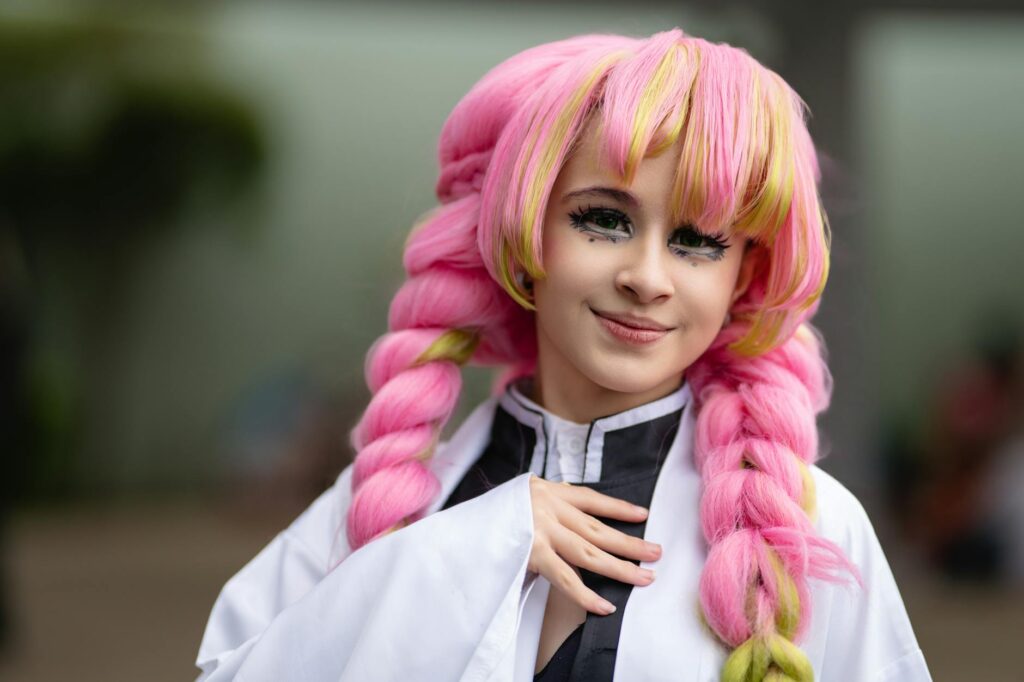
The digital age has opened up incredible avenues for creators to share their work directly with audiences. Among these, the concept of doujinmoe has carved out a significant niche. But what exactly is it, and how does one engage with this unique facet of online creativity without falling into common traps? Understanding doujinmoe is key to appreciating the art and community surrounding it. (Source: copyright.gov)
This guide will break down the essence of doujinmoe, explore its origins, highlight potential pitfalls, and offer practical advice for both creators and consumers looking to engage meaningfully. We aim to equip you with the knowledge to discover and appreciate quality content while respecting the artists and the culture.
Latest Update (April 2026)
As of April 2026, the doujinmoe landscape continues to be shaped by evolving digital platforms and increased global accessibility. Recent reports from industry analysts indicate a sustained growth in the market for fan-created content, with new monetization models emerging. For instance, advancements in blockchain technology are being explored by some platforms to offer more transparent royalty distribution for artists, a development that could significantly impact how doujin works are commissioned and compensated. Furthermore, major conventions and online events continue to adapt, offering hybrid experiences that blend physical gatherings with robust virtual components, allowing for broader international participation than ever before. (Source: Anime Industry Insights Report 2026)
What Exactly is Doujinmoe?
At its core, doujinmoe refers to fan-made works, often visual art like manga and illustrations, created by amateurs or independent artists. The term is a portmanteau, blending ‘doujin’ (同人), which broadly means ‘same circle’ or ‘group’ in Japanese, often used for self-published works or circles of artists, and ‘moe’ (萌え), a Japanese slang term expressing affection or strong attraction, often towards fictional characters. Therefore, doujinmoe signifies fan-created content that evokes a sense of affection or strong positive emotion, typically within genres like anime, manga, and video games.
It’s crucial to understand that ‘doujin’ itself is a broad category encompassing original works and fan works. When paired with ‘moe’, it specifically points to the emotional resonance and character appeal that fans often infuse into their creations. This can range from original stories featuring beloved characters in new scenarios to entirely new characters designed to capture that specific ‘moe’ feeling. The essence lies in passion-driven creation and the deep connection fans feel to source material or character archetypes.
Important: While ‘moe’ can sometimes be associated with specific character designs, its broader meaning in doujinmoe is about the emotional appeal and charm that resonates with an audience. It’s not solely about a visual aesthetic but the feeling it evokes.
The Origins and Evolution of Doujinmoe
The roots of doujin culture trace back to Japan’s post-war era, with early forms of self-publishing and fan clubs. The rise of manga and anime in the latter half of the 20th century provided fertile ground for this culture to flourish. Initially, doujin works were often distributed at conventions like Comiket (Comic Market), the world’s largest doujinshi convention, which started in 1975. These events became crucial hubs for artists to share their creations and for fans to discover unique content not available through mainstream channels.
The advent of the internet and digital art tools dramatically accelerated the evolution of doujinmoe. Online platforms allowed artists to reach a global audience without the geographical limitations of physical conventions. This democratization of distribution led to an explosion of creativity and diversity. Artists could now share their work instantly, gather feedback, and even monetize their creations through platforms like Pixiv, Patreon, and specialized online stores. This shift transformed doujinmoe from a niche subculture into a globally recognized phenomenon.
The global doujin market is estimated to be worth billions of dollars, with online platforms playing an increasingly significant role in its growth since the early 2010s. According to industry reports from 2023 and 2024, this trend has continued, with digital sales accounting for the majority of doujin transactions.
Navigating Content Discovery: Where to Look
Discovering doujinmoe can feel like exploring a vast, interconnected universe. The primary digital hub for many artists is Pixiv, a Japanese social networking service for artists where illustrators, manga artists, and animators can upload and share their work. It’s an excellent place to find a wide array of doujin content, from original characters to fan art of popular series.
Beyond Pixiv, specialized online marketplaces and communities are dedicated to doujin works. Websites like Booth.pm (also run by Pixiv) allow artists to sell their digital and physical doujin products directly. For those interested in fan fiction, platforms like Archive of Our Own (AO3) host a massive collection of user-generated stories across countless fandoms. Many artists also maintain personal websites or use crowdfunding platforms like Patreon to offer exclusive content and connect directly with their supporters.
Common Doujinmoe Mistakes to Avoid
Navigating the world of doujinmoe isn’t always straightforward, and several common mistakes can detract from the experience. One of the most frequent errors is confusing doujin works with official merchandise. While doujin artists often draw inspiration from existing franchises, their creations are not officially endorsed or produced by the original copyright holders. Expecting official quality or licensing from doujin products can lead to disappointment.
Another mistake is underestimating the effort and passion involved. Doujinmoe is often created by dedicated fans who pour significant time and resources into their art. Treating these works as disposable or less valuable than mainstream creations disrespects the artists’ contributions. Furthermore, failing to check content warnings or artist-specified tags can lead to encountering material that is not suitable for all viewers, causing an unpleasant surprise.
Consumers should also be wary of unofficial distribution channels that may exploit artists. Always aim to purchase or access doujin works through legitimate platforms that ensure artists receive fair compensation for their creations.
Supporting Creators Ethically
Engaging with doujinmoe ethically means recognizing the value of the artists’ work and supporting them directly. The most straightforward way to do this is by purchasing their creations. Many artists offer their work through digital downloads on platforms like Booth.pm or Gumroad, or sell physical copies at events and through online stores. Consider supporting artists on crowdfunding platforms like Patreon or Ko-fi, where you can often gain access to exclusive content, behind-the-scenes updates, and early access to new works in exchange for a recurring subscription or one-time donation.
When commenting on or sharing doujin works, always credit the original artist. Respect their terms of use regarding reposting or derivative works. Some artists may have specific guidelines about how their art can be shared or used, so it’s always best to check their profile or website for details. Remember that even small gestures of support, like a positive comment or sharing a link to the artist’s official page, can make a significant difference to independent creators.
Reports from creator platforms in early 2026 highlight that direct fan support through subscriptions and commissions remains the most stable income source for many independent artists in the doujin space.
Legal and Copyright Considerations
The legal status of doujin works, particularly fan-made ones, can be complex. In most jurisdictions, copyright law protects original works. Creating a doujin work based on existing intellectual property (IP) can be considered a derivative work, which may infringe on the original copyright holder’s rights. However, many copyright holders of popular franchises adopt a permissive stance towards non-commercial fan works, understanding their role in community building and promotion.
The line between fair use, transformative work, and infringement is often blurry. Generally, doujin works that are sold commercially or are excessively similar to the original IP are more likely to face legal challenges. Independent artists and consumers should be aware of the copyright laws in their respective regions. Organizations like the U.S. Copyright Office provide resources on copyright basics, which can be helpful for understanding these principles, although specific doujinmoe legalities often fall into gray areas of interpretation.
For creators, understanding the potential legal implications before publishing or selling doujin works is paramount. Some artists choose to focus on original creations to avoid copyright issues entirely, while others operate within established fandoms while adhering to common community norms and avoiding direct commercial competition with the original IP holders. As of April 2026, there have been no major legislative changes directly impacting doujin works, but ongoing discussions about digital copyright and fan culture continue globally.
The Future of Doujinmoe
The future of doujinmoe looks dynamic, driven by technological advancements and evolving fan engagement. The integration of AI tools in art creation is a growing area of interest, with artists exploring how these can augment their workflow and inspire new styles. Virtual reality (VR) and augmented reality (AR) technologies also present exciting possibilities for immersive doujin experiences, such as interactive manga or virtual galleries. As reported by TechCrunch in late 2025, investments in creative AI technologies continue to rise, suggesting a significant impact on digital art creation across all sectors, including doujin.
Furthermore, the increasing globalization of fandoms means that doujinmoe will likely become even more international, with artists and audiences from diverse backgrounds collaborating and sharing their creations. Platforms that facilitate cross-border transactions and communication will play a key role in this expansion. The emphasis on ethical support and creator compensation is also expected to grow, leading to more sustainable models for independent artists.
Frequently Asked Questions
What is the difference between ‘doujin’ and ‘doujinmoe’?
‘Doujin’ (同人) refers to self-published works or creative circles in Japan, encompassing both original and fan-made content. ‘Doujinmoe’ specifically refers to fan-made doujin works that evoke a strong sense of affection or emotional appeal (‘moe’), typically based on existing anime, manga, or game characters.
Is it legal to create and sell doujin works based on copyrighted characters?
The legality can be complex. While creating derivative works can technically infringe on copyright, many copyright holders tolerate non-commercial fan works. However, selling doujin works, especially if they are highly commercial or similar to the original, carries legal risks. It’s advisable to research copyright laws and the specific stance of the IP holder.
Where can I find doujinmoe content?
Popular platforms include Pixiv for illustrations and manga, Booth.pm for purchasing doujin works (digital and physical), and Archive of Our Own (AO3) for fan fiction. Many artists also maintain personal websites or use crowdfunding sites like Patreon.
How can I support doujin artists?
The best ways to support artists are by purchasing their work directly through official channels, subscribing to their Patreon or Ko-fi, commissioning them if they accept commissions, and sharing their work with proper credit through legitimate channels.
What does ‘moe’ mean in the context of doujinmoe?
‘Moe’ (萌え) is a Japanese slang term that describes a strong feeling of affection, adoration, or attraction, often towards fictional characters. In doujinmoe, it signifies the emotional resonance and charming appeal that fans infuse into their creations, making the characters and stories endearing to an audience.
Conclusion
Doujinmoe represents a vibrant and passionate segment of fan-created content, offering unique artistic expression and a deep connection between creators and their audience. By understanding its origins, respecting artists’ efforts, navigating content discovery ethically, and being aware of legal considerations, both creators and consumers can fully appreciate and contribute to this dynamic community. The continued evolution of digital platforms and global fandoms promises an exciting future for doujinmoe, fostering creativity and connection worldwide.