
Are you tired of food that lacks that certain something, that fresh, zesty kick that makes a dish truly memorable? Perhaps you’ve heard whispers of a potent herb that promises not just culinary delight but also significant health advantages, yet you’re unsure where to begin. Many home cooks and health-conscious individuals find themselves frustrated by the complexity of incorporating new ingredients, fearing they’ll either ruin a dish or fail to unlock the promised benefits. This guide is your answer. We’ll cut through the confusion surrounding koriandri, showing you exactly how to use this versatile plant to transform your meals and improve your health, addressing your pain points head-on.
Latest Update (April 2026)
As of April 2026, ongoing research continues to explore the full spectrum of koriandri’s health benefits. Recent studies published in the Journal of Nutritional Biochemistry highlight its potential role in managing inflammation markers, building upon decades of traditional use. Furthermore, culinary trends in 2026 show a continued rise in global fusion cuisines, where koriandri’s bright notes are increasingly featured in unexpected dishes, from fermented foods to innovative vegan desserts. According to the USDA FoodData Central, 100 grams of fresh coriander (koriandri) provides significant amounts of Vitamin K, Vitamin A, and essential minerals, reinforcing its status as a nutrient-dense herb.
Table of Contents
- What Exactly is Koriandri?
- The Surprising Health Virtues of Koriandri
- Cultivating Your Own Koriandri Patch
- Mastering Koriandri in the Kitchen
- Koriandri vs. Cilantro: Understanding the Difference
- Common Koriandri Mistakes and How to Avoid Them
- Frequently Asked Questions About Koriandri
- Embrace the Power of Koriandri
What Exactly is Koriandri?
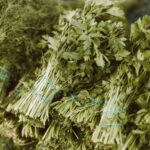
Koriandri refers to the fresh, green leaves of the plant Coriandrum sativum. While this plant is also the source of the dried seeds known as coriander, the term ‘koriandri’ specifically denotes the leafy herb. In many parts of the world, particularly in North America and Europe, these leaves are more commonly called cilantro. However, in other regions, ‘koriandri’ is the standard term. This distinction is crucial because the flavor profile and culinary applications of the fresh leaves differ significantly from those of the dried seeds.
The plant itself is an annual herb, growing to about 12-20 inches tall, with delicate, feathery leaves. It belongs to the Apiaceae family, which also includes parsley, carrots, and celery. Its distinctive aroma and taste are what make it a staple in various global cuisines, from Mexican and Indian to Thai and Middle Eastern. Understanding this fundamental difference between the leaves (koriandri/cilantro) and the seeds (coriander) is the first step to truly appreciating its culinary versatility.
Important Note: While ‘koriandri’ is the term used here, be aware that in many English-speaking regions, the leaves are predominantly referred to as ‘cilantro’. The dried seeds are universally known as ‘coriander’. This guide uses ‘koriandri’ to refer to the fresh leaves, aligning with its distinct identity and usage.
The Surprising Health Virtues of Koriandri
Beyond its vibrant flavor, koriandri is a nutritional powerhouse packed with beneficial compounds. It’s an excellent source of Vitamin K, essential for blood clotting and bone health. According to the USDA FoodData Central, just one cup (about 16 grams) of fresh koriandri can provide over 150% of your daily recommended intake of Vitamin K. Furthermore, it contains Vitamin A, Vitamin C, and several B vitamins, contributing to immune function and skin health.
Koriandri is also rich in antioxidants, such as lutein and beta-carotene, which help protect your cells from damage caused by free radicals. This antioxidant activity is linked to a reduced risk of chronic diseases, including heart disease and certain cancers, as reported by various health organizations. Its anti-inflammatory properties are also noteworthy, potentially helping to alleviate symptoms associated with inflammatory conditions.
For centuries, koriandri has been used in traditional medicine to aid digestion. Studies suggest it can help stimulate appetite and promote the healthy functioning of the digestive system. It may also possess mild diuretic properties, supporting kidney health. The plant’s essential oils contain compounds like linalool and geranyl acetate, which are believed to contribute to its therapeutic effects.
Users report that incorporating more koriandri into their diet can lead to subtle but welcome improvements in digestion. Coupled with the boost in energy some feel, it becomes clear this herb is more than just a flavor enhancer; it’s a genuine health ally.
One of the significant benefits explored in recent wellness circles is its potential role in detoxification. The compounds in koriandri are thought to help chelate heavy metals, aiding the body in their removal. This is an area of interest for those exploring natural ways to support the body’s natural cleansing processes.
The antioxidant and anti-inflammatory compounds found in koriandri are key to its health benefits, playing a role in cellular protection and disease prevention. The presence of phytonutrients, such as polyphenols, further enhances its health profile. These compounds are potent antioxidants that combat oxidative stress, a major contributor to aging and disease.
Cultivating Your Own Koriandri Patch
Growing your own koriandri is surprisingly straightforward, even for novice gardeners. The plant thrives in cool weather and prefers well-draining soil in a location that receives at least six hours of sunlight per day. However, it can bolt (go to seed) quickly in hot weather, so consider planting it in a spot that gets afternoon shade during warmer months or opting for successive planting.
To sow seeds, lightly cover them with about half an inch of soil. You can sow them directly into the garden bed or containers. Water gently and keep the soil consistently moist, especially during germination. Germination typically occurs within 7 to 14 days. Thin the seedlings once they are a few inches tall, leaving about 6 to 10 inches between plants to allow for adequate growth.
Harvesting koriandri is best done before the plant flowers. You can snip off the outer leaves as needed, which encourages the plant to produce more foliage. For a continuous harvest throughout the growing season, plant seeds every few weeks.
Mastering Koriandri in the Kitchen
Koriandri’s fresh, citrusy, and slightly peppery flavor profile makes it an incredibly versatile ingredient. It’s a cornerstone in many cuisines worldwide. To best preserve its delicate flavor and aroma, it’s generally recommended to add fresh koriandri towards the end of the cooking process or as a garnish.
Culinary Applications:
- Mexican Cuisine: Essential in salsas, guacamole, and as a topping for tacos and enchiladas.
- Indian Cuisine: A key ingredient in chutneys, curries, and as a garnish for dals and vegetable dishes.
- Thai Cuisine: Used in pastes, soups (like Tom Yum), and fresh salads.
- Middle Eastern Cuisine: Features in tabbouleh, marinades, and as a fresh herb in various mezze dishes.
- Modern Applications: Experiment with it in pestos, salad dressings, smoothies, and even as a flavoring for infused waters or cocktails.
When using koriandri, remember that the stems are also edible and packed with flavor. Finely chop them to incorporate into sauces or marinades. For recipes that call for dried coriander seeds, be aware that their flavor is warm, earthy, and nutty – quite different from the fresh leaves.
Koriandri vs. Cilantro: Understanding the Difference
As mentioned, ‘koriandri’ and ‘cilantro’ refer to the same plant’s leaves (Coriandrum sativum). The difference in terminology is primarily regional. In the United States and Canada, ‘cilantro’ is the common term for the fresh leaves, while ‘coriander’ refers to the dried seeds. In the UK, Australia, and many other parts of the world, ‘coriander’ is used for both the leaves and the seeds, leading to potential confusion in international recipes. This guide uses ‘koriandri’ for the leaves to maintain a clear distinction.
The key takeaway is that regardless of the name used, the fresh leaves offer a distinct flavor profile that complements a wide range of dishes, while the dried seeds provide a different, warmer spice note.
Common Koriandri Mistakes and How to Avoid Them
Mistake 1: Adding too early to hot dishes. Koriandri’s delicate flavor can be lost if subjected to prolonged high heat. Solution: Add fresh koriandri during the last few minutes of cooking or as a fresh garnish.
Mistake 2: Over-reliance on dried seeds when fresh leaves are needed. The flavor profiles are vastly different. Solution: Always check if a recipe specifies fresh leaves (cilantro/koriandri) or dried seeds (coriander).
Mistake 3: Not washing thoroughly. Like any fresh produce, koriandri can harbor dirt or debris. Solution: Rinse the leaves under cool running water before use, even if they appear clean.
Mistake 4: Discarding the stems. Stems contain concentrated flavor. Solution: Finely chop the stems and incorporate them into sauces, marinades, or pestos.
Frequently Asked Questions About Koriandri
What is the difference between koriandri and cilantro?
There is no difference; ‘koriandri’ and ‘cilantro’ are regional terms for the fresh leaves of the Coriandrum sativum plant. ‘Cilantro’ is common in North America, while ‘koriandri’ might be used in other regions, though ‘coriander’ is often used for both leaves and seeds globally.
How can I store fresh koriandri?
To store fresh koriandri, place the stems in a glass of water, cover the leaves loosely with a plastic bag, and refrigerate. Alternatively, wrap the bunch in a damp paper towel and store it in a resealable plastic bag in the refrigerator. Properly stored, it can last up to a week.
Why does some people find koriandri tastes like soap?
This is due to a genetic variation. Some individuals have olfactory receptor genes (like OR6A2) that are particularly sensitive to the aldehyde compounds in koriandri, perceiving them as soapy or unpleasant. For others, these compounds contribute to its fresh, citrusy aroma.
Can I substitute parsley for koriandri?
While parsley can offer a fresh, herbaceous note, it does not replicate the unique citrusy and slightly pungent flavor of koriandri. It can be used as a visual garnish or in recipes where a mild green flavor is desired, but it won’t provide the characteristic taste of koriandri.
What are the main health benefits of koriandri?
Koriandri is rich in Vitamin K, Vitamin A, and Vitamin C, and contains beneficial antioxidants and anti-inflammatory compounds. It is often cited for its digestive aid properties and potential role in supporting the body’s detoxification processes.
Embrace the Power of Koriandri
Koriandri is more than just an herb; it’s a vibrant addition that can elevate your cooking and contribute positively to your well-being. By understanding its unique characteristics, mastering its use in the kitchen, and even growing your own, you can unlock a world of fresh flavors and potential health advantages. As culinary exploration continues in 2026, koriandri remains a celebrated ingredient, proving its timeless appeal and versatility.
Conclusion
From its distinctive zesty flavor to its impressive nutritional profile and potential health benefits, koriandri is a remarkable herb. Whether you’re a seasoned chef or a home cook looking to add a fresh dimension to your meals, incorporating koriandri is a simple yet impactful choice. By following the guidance in this updated 2026 guide, you can confidently harness the power of koriandri to enhance your culinary creations and support your health goals.